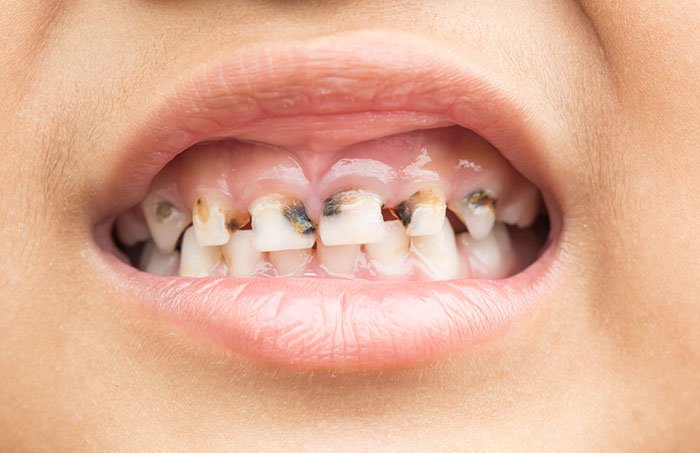
A bright, healthy smile plays an important role in a child’s overall well-being. However, tooth decay remains one of the most common health problems among children. Cavities can develop at any age—even in toddlers—and if left untreated, they can lead to pain, infection, difficulty eating, and problems with speech and permanent teeth.
The good news is that cavities are largely preventable with proper oral care and regular dental check-ups. If you are searching for the best kids dentist in Newtown, understanding the causes of cavities is the first step toward protecting your child’s smile.
What Are Cavities?
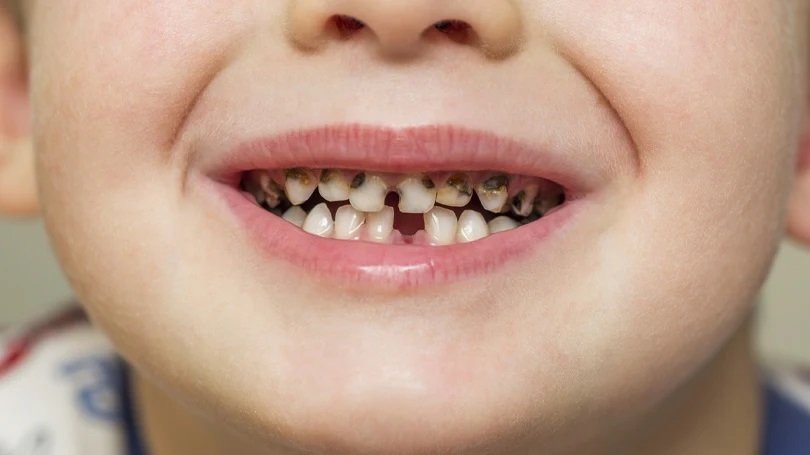
Cavities, also known as dental caries or tooth decay, are small holes that form in the teeth when bacteria break down sugars from food and produce acids. These acids gradually damage the protective enamel, allowing decay to spread deeper into the tooth.
Although baby teeth eventually fall out, they play a vital role in chewing, speaking, and guiding permanent teeth into their correct positions. Healthy primary teeth are essential for proper oral development.
Why Do Children Get Cavities?
Several everyday habits and factors can increase a child’s risk of developing cavities.
1. Frequent Consumption of Sugary Foods and Drinks
Candies, chocolates, cookies, sweetened beverages, and packaged fruit juices provide fuel for harmful bacteria. Frequent snacking throughout the day exposes teeth to acid attacks repeatedly, increasing the risk of decay.
2. Poor Brushing Habits
Children often miss areas while brushing or do not brush long enough. Plaque can build up quickly, especially around the back teeth where food particles easily get trapped.
3. Inadequate Flossing
As soon as two teeth touch each other, flossing becomes important. Food stuck between teeth cannot always be removed with brushing alone, allowing bacteria to thrive.
4. Sleeping with a Milk or Juice Bottle
Putting a child to bed with a bottle of milk, formula, or juice can lead to prolonged exposure of the teeth to sugars, increasing the risk of early childhood cavities.
5. Lack of Regular Dental Check-ups
Routine dental visits help identify early signs of tooth decay before they become painful or require extensive treatment.
6. Poor Dietary Choices
A diet high in processed foods and low in calcium, phosphorus, and other essential nutrients may weaken developing teeth.
Early Signs of Cavities
Parents should watch for the following symptoms:
- White or chalky spots on the teeth
- Brown or black discoloration
- Sensitivity to hot, cold, or sweet foods
- Pain while chewing
- Bad breath that persists
- Small visible holes in the teeth
- Swollen or tender gums near the affected tooth
Early treatment is simpler, more comfortable, and helps preserve healthy tooth structure.
How Can Parents Prevent Cavities?
Encourage Proper Brushing
Children should brush twice daily using fluoride toothpaste. Younger children need supervision to ensure they brush correctly for at least two minutes.
Teach Daily Flossing
Flossing removes plaque and food particles from between teeth, reducing the risk of decay in areas that a toothbrush cannot reach.
Limit Sugary Snacks
Offer fresh fruits, vegetables, cheese, yogurt, nuts (when age-appropriate), and other healthy snacks instead of sugary treats. Reserve sweets for occasional consumption rather than frequent snacking.
Choose Water Instead of Sugary Drinks
Water helps rinse away food particles and supports saliva production, which naturally protects teeth from acid attacks.
Schedule Regular Dental Visits
Routine dental examinations allow dentists to detect early cavities, monitor tooth development, and provide preventive treatments before problems become serious.
Consider Fluoride and Dental Sealants
Fluoride strengthens tooth enamel and makes it more resistant to decay. Dental sealants are protective coatings applied to the chewing surfaces of molars to prevent food and bacteria from settling into deep grooves.
Your pediatric dentist can recommend whether these preventive treatments are appropriate for your child.
What Happens If Cavities Are Left Untreated?
Ignoring tooth decay can lead to:
- Severe toothache
- Dental infections
- Difficulty eating
- Poor nutrition
- Speech problems
- Premature loss of baby teeth
- Misalignment of permanent teeth
- More complex dental procedures in the future
Early treatment helps maintain healthy teeth and supports normal oral development.
Creating Lifelong Healthy Habits
Children learn best by observing their parents. Brushing together, choosing healthy meals, and making dental visits a positive experience can encourage good oral hygiene habits that last into adulthood.
Parents should also replace toothbrushes every three months or sooner if the bristles become worn.
Expert Pediatric Dental Care in Newtown
Healthy teeth are essential for your child’s comfort, confidence, and overall development. Preventive dental care, combined with healthy daily habits, can significantly reduce the risk of cavities and future dental problems.
Dr. Rima Nandi is dedicated to providing compassionate and comprehensive pediatric dental care tailored to every child’s needs. From preventive check-ups and fluoride treatments to cavity management and oral health education, she focuses on creating a comfortable dental experience for children of all ages.
If you are looking for the best kids dentist in Newtown, consult Dr. Rima Nandi for expert guidance and personalized care to help your child enjoy a healthy, confident smile for years to come.