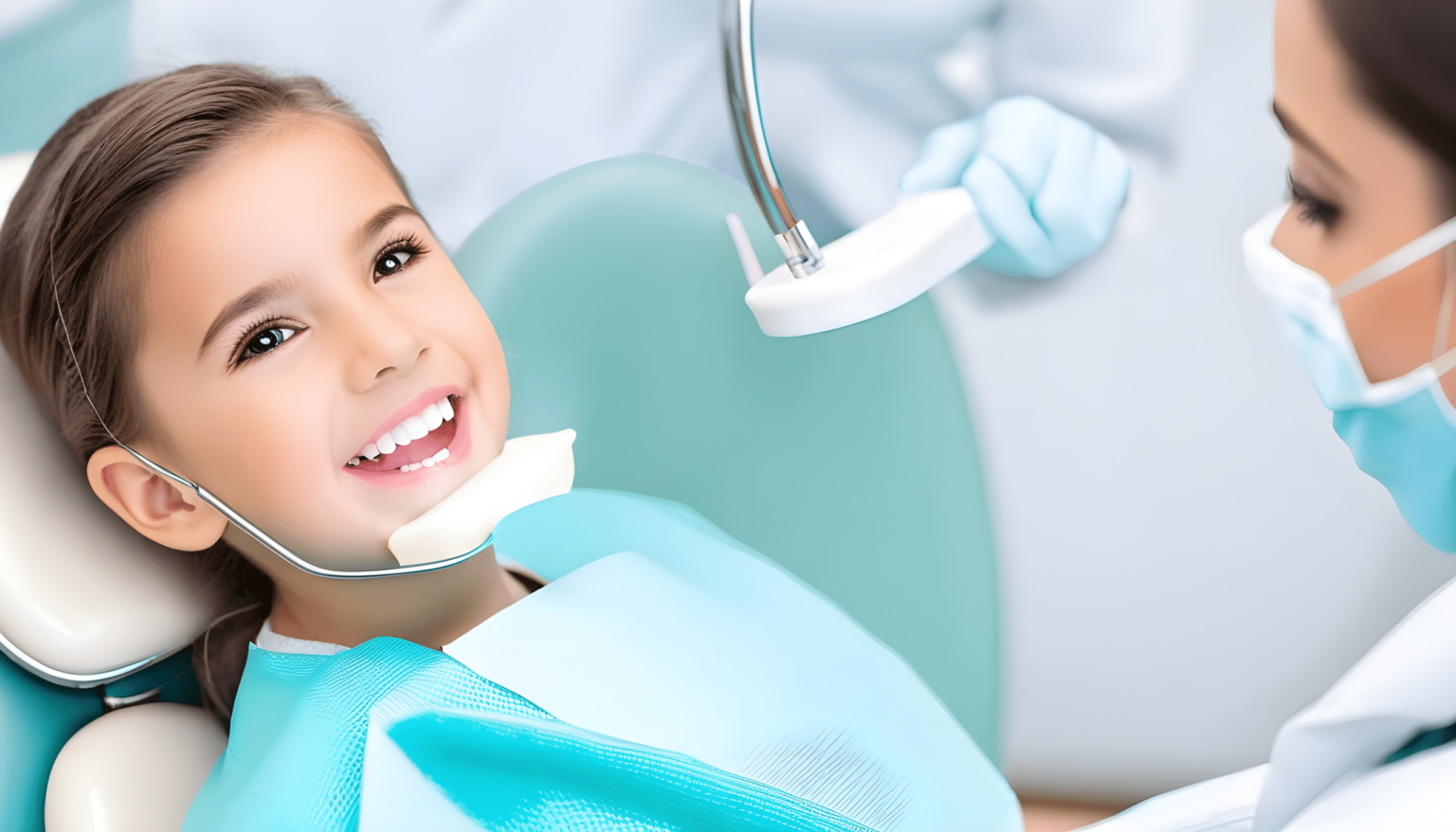
Many parents assume that baby teeth are not very important because they eventually fall out. As a result, minor cavities or dental problems in primary teeth are often overlooked. However, baby teeth play a vital role in a child’s growth, nutrition, speech development, and the proper alignment of permanent teeth. Ignoring them can lead to long-term oral health issues that may continue into adulthood.
Understanding the importance of baby teeth helps parents make informed decisions about their child’s dental care. If you are looking for a trusted dental surgeon in Newtown, early dental visits and preventive care can keep your child’s smile healthy from the very beginning.
What Are Baby Teeth?
Baby teeth, also called primary or milk teeth, usually begin to appear around six months of age. Most children have a complete set of 20 primary teeth by the age of three. These teeth remain in place until they are gradually replaced by permanent teeth between the ages of six and twelve.
Although temporary, baby teeth serve several essential functions during a child’s development.
Why Are Baby Teeth So Important?
They Help Children Eat Properly
Healthy baby teeth allow children to chew food comfortably and efficiently. Proper chewing supports good digestion and ensures that children receive the nutrition they need for healthy growth and development.
When tooth decay causes pain, children may avoid eating certain foods, leading to poor nutrition and unhealthy eating habits.
They Support Clear Speech Development
Teeth play an important role in helping children pronounce words correctly. Missing or damaged baby teeth can affect speech development and make it difficult for children to form certain sounds clearly.
They Guide Permanent Teeth
One of the most important functions of baby teeth is to hold space for permanent teeth. They act as natural placeholders, ensuring that adult teeth erupt in the correct position.
If a baby tooth is lost too early due to severe decay or injury, nearby teeth may shift into the empty space. This can cause crowding, bite problems, and the need for orthodontic treatment later in life.
They Build Confidence
A healthy smile allows children to laugh, speak, and interact confidently with friends and family. Dental pain, visible cavities, or missing front teeth may affect a child’s self-esteem and willingness to smile.
What Happens When Baby Teeth Are Ignored?
Many dental problems begin with small cavities that are easy to treat. Without timely care, these problems can become much more serious.
Untreated baby teeth may lead to:
- Toothache and discomfort
- Dental infections
- Difficulty chewing food
- Swollen gums
- Premature tooth loss
- Damage to developing permanent teeth
- Poor oral hygiene habits
- Increased need for complex dental treatments
Preventing these complications starts with regular dental check-ups and early intervention.
Common Causes of Tooth Decay in Baby Teeth
Several everyday habits can increase the risk of cavities in young children.
These include:
- Frequent sugary snacks and drinks
- Poor brushing habits
- Sleeping with a bottle of milk or juice
- Inadequate fluoride exposure
- Irregular dental visits
- Poor oral hygiene
Fortunately, most of these risk factors can be managed through simple preventive measures.
How Parents Can Protect Baby Teeth
Start Oral Care Early
Even before the first tooth appears, gently clean your baby’s gums with a soft, damp cloth. Once teeth erupt, use a soft toothbrush designed for infants and children.
Brush Twice Daily
Brush your child’s teeth every morning and before bedtime using a fluoride toothpaste appropriate for their age. Young children should always be supervised while brushing.
Encourage Healthy Eating Habits
Limit sugary snacks, sticky candies, and sweetened beverages. Offer fresh fruits, vegetables, dairy products, and plenty of water to support healthy teeth.
Avoid Bedtime Bottles
Putting a child to sleep with a bottle containing milk, juice, or sweetened liquids increases the risk of early childhood tooth decay.
Schedule Regular Dental Visits
Routine dental examinations help detect cavities early and allow the dentist to monitor your child’s oral development. Preventive care is often simpler and more comfortable than treating advanced dental problems.
When Should Your Child Visit a Dentist?
Experts recommend that children have their first dental visit by their first birthday or within six months after the first tooth appears.
Early visits allow parents to receive guidance on:
- Proper brushing techniques
- Teething care
- Nutrition for healthy teeth
- Thumb-sucking habits
- Cavity prevention
- Overall oral development
These appointments also help children become comfortable with dental visits from an early age.
When Should Parents Seek Immediate Dental Care?
Consult a pediatric dentist if your child experiences:
- Tooth pain that does not improve
- Visible cavities or holes in the teeth
- Swollen or bleeding gums
- Broken or chipped teeth
- Tooth injury after a fall
- Persistent bad breath
- Difficulty eating due to dental discomfort
Prompt treatment can prevent complications and preserve the health of both baby and permanent teeth.
Expert Pediatric Dental Care by Dr. Rima Nandi
Healthy baby teeth create the foundation for a lifetime of good oral health. By caring for primary teeth from an early age, parents can help their children develop healthy habits, maintain proper dental development, and avoid unnecessary complications.
Dr. Rima Nandi offers comprehensive pediatric dental care with a gentle and child-friendly approach. From preventive check-ups and cavity treatment to emergency dental care and oral health guidance, she is committed to helping every child achieve a healthy and confident smile.
If you are searching for an experienced dental surgeon in Newtown, consult Dr. Rima Nandi for personalized pediatric dental care that supports your child’s oral health at every stage of growth.