Children are naturally active. From running and jumping to playing sports and exploring the outdoors, their bones and joints are constantly in motion. While this activity is essential for healthy development, it also makes children more prone to certain injuries. One such concern is growth plate injuries, which can affect the normal growth of a child’s bones if not treated properly. According to Dr. Abhishek Nandi, a pediatric orthopedic surgeon in Newtown, early diagnosis and proper treatment are crucial for ensuring healthy bone development.
What Are Growth Plates?
Growth plates, also known as epiphyseal plates, are areas of developing tissue located near the ends of long bones in children and adolescents. These plates are responsible for the length and shape of the bones as a child grows. Once a child reaches full maturity, the growth plates harden and turn into solid bone.
Because these plates are softer and more flexible than fully developed bone, they are more vulnerable to injury. A fracture or injury to the growth plate can potentially disrupt normal bone growth, which is why specialized pediatric orthopedic care is essential.
Common Causes of Growth Plate Injuries
Growth plate injuries often occur due to trauma or repeated stress on the bone. Children who are physically active or involved in sports are particularly at risk.
Some common causes include:
- Falls during play or sports activities
- Accidents during cycling or skating
- Contact sports such as football or basketball
- Sudden twisting injuries
- Overuse or repetitive stress on growing bones
A pediatric orthopedic surgeon in Newtown frequently treats such injuries, especially in children who participate in sports or high-impact activities.
Symptoms Parents Should Watch For
Growth plate injuries may not always be immediately obvious. However, certain symptoms should alert parents to seek medical attention. These include:
- Persistent pain near a joint or bone
- Swelling or tenderness in the injured area
- Difficulty moving the limb
- Inability to bear weight on the affected leg or arm
- Visible deformity in severe cases
If a child complains of ongoing pain after an injury, it is important to consult a specialist rather than assuming it is a minor sprain.
How Growth Plate Injuries Are Diagnosed
Proper diagnosis is essential to prevent complications. A pediatric orthopedic surgeon in Newtown will usually begin with a detailed physical examination and discussion of the injury.
Diagnostic tests may include:
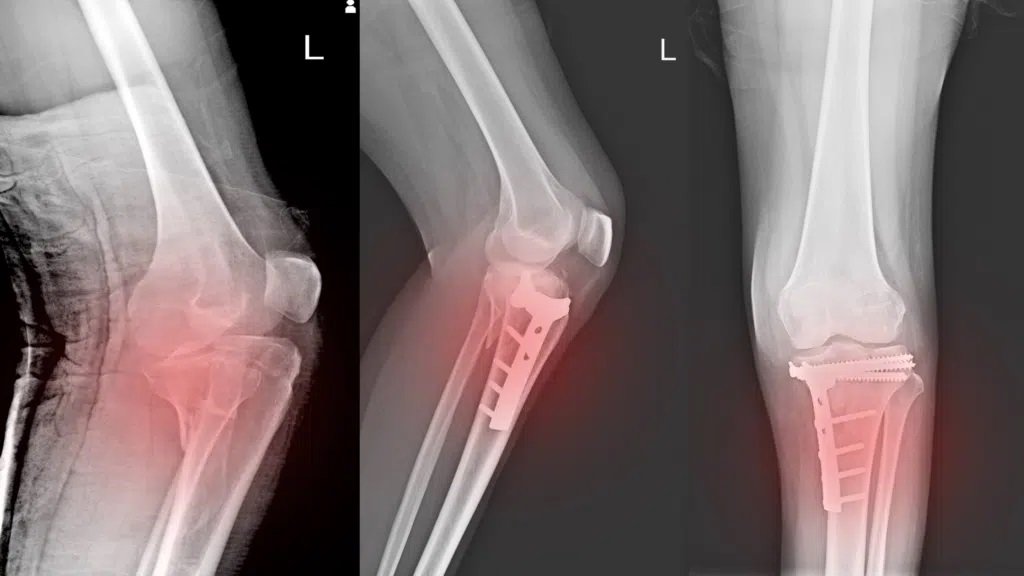
- X-rays to detect fractures or bone displacement
- MRI scans to evaluate soft tissues and growth plate damage
- CT scans in complex cases
These tests help determine the type and severity of the injury so that the most appropriate treatment plan can be developed.
Treatment Options for Growth Plate Injuries
Treatment for growth plate injuries depends on the severity and location of the injury. In many cases, non-surgical treatment is effective.
Non-Surgical Treatment
For mild injuries or simple fractures, treatment may include:
- Immobilization with a cast or splint
- Rest and activity restriction
- Pain management and anti-inflammatory medication
- Regular follow-up to monitor healing
Surgical Treatment
In more severe cases, surgery may be required to properly align the bones and protect the growth plate. Surgical procedures may involve:
- Realignment of bone fragments
- Use of pins, screws, or plates to stabilize the bone
- Correction of deformities if growth is affected
An experienced pediatric orthopedic surgeon in Newtown carefully plans treatment to preserve the growth potential of the bone and ensure the child regains normal movement.
Why Early Treatment Matters
Ignoring a growth plate injury or delaying treatment can lead to complications such as:
- Uneven bone growth
- Limb length differences
- Joint deformities
- Reduced mobility
Early medical attention significantly reduces the risk of long-term problems. With timely care and proper rehabilitation, most children recover fully and return to their normal activities.
Preventing Growth Plate Injuries
While not all injuries can be prevented, certain precautions can help reduce the risk:
- Encourage children to wear protective gear during sports
- Ensure proper training and warm-up before physical activities
- Teach safe playing techniques
- Avoid overtraining or repetitive strain in young athletes
Parents should also ensure that children get adequate rest between sports activities to allow their bodies to recover.
Expert Pediatric Orthopedic Care in Newtown
Growth plate injuries require specialized attention because children’s bones are still developing. Dr. Abhishek Nandi, a trusted pediatric orthopedic surgeon in Newtown, provides expert diagnosis and advanced treatment for a wide range of childhood bone and joint conditions.
With a focus on child-friendly care, accurate diagnosis, and modern treatment techniques, Dr. Nandi helps young patients recover safely and maintain healthy bone growth.
If your child experiences persistent pain, swelling, or difficulty moving after an injury, seeking timely consultation with a pediatric orthopedic specialist can make a significant difference in their recovery and long-term bone health.