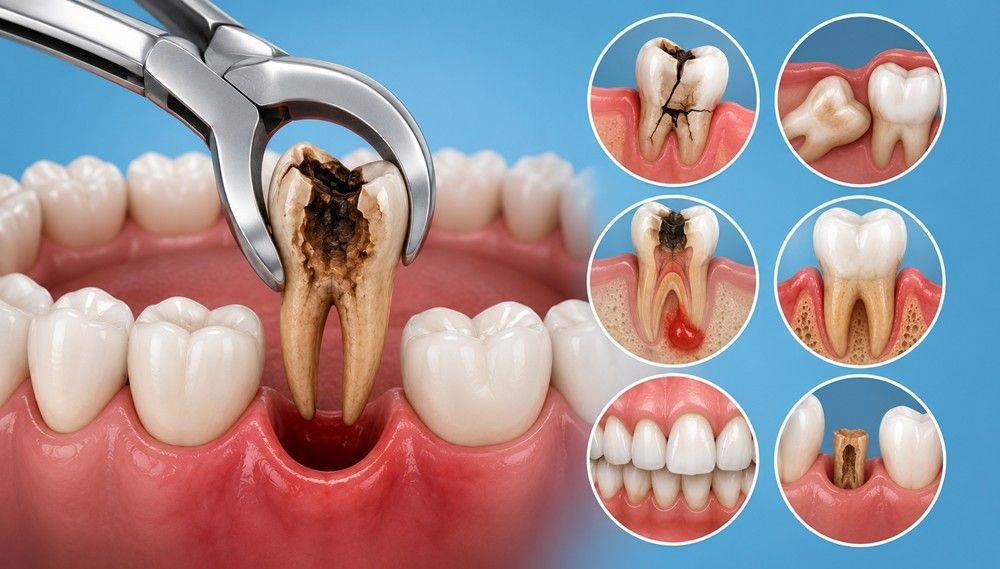
Dental surgery can sound intimidating, but many procedures are performed to prevent complications, relieve discomfort, and protect long-term oral health. Not every dental problem requires surgery. However, when a tooth is severely damaged, impacted, infected, or causing problems for neighbouring teeth, a surgical approach may sometimes be the most appropriate solution.
Understanding when dental surgery may be recommended can help patients make informed decisions about their oral health. If you are looking for a dental surgeon in Newtown, a professional evaluation can help determine whether surgical treatment is necessary or whether a simpler option may be suitable.
When Is Tooth Extraction Necessary?
Dentists generally try to preserve natural teeth whenever possible. However, extraction may be recommended when a tooth cannot be restored or is creating a significant risk to oral health.
Common reasons for extraction include:
- Severe tooth decay
- Extensive damage caused by injury
- Advanced gum disease affecting the tooth’s support
- Persistent infection that cannot be adequately treated
- Overcrowding in selected orthodontic cases
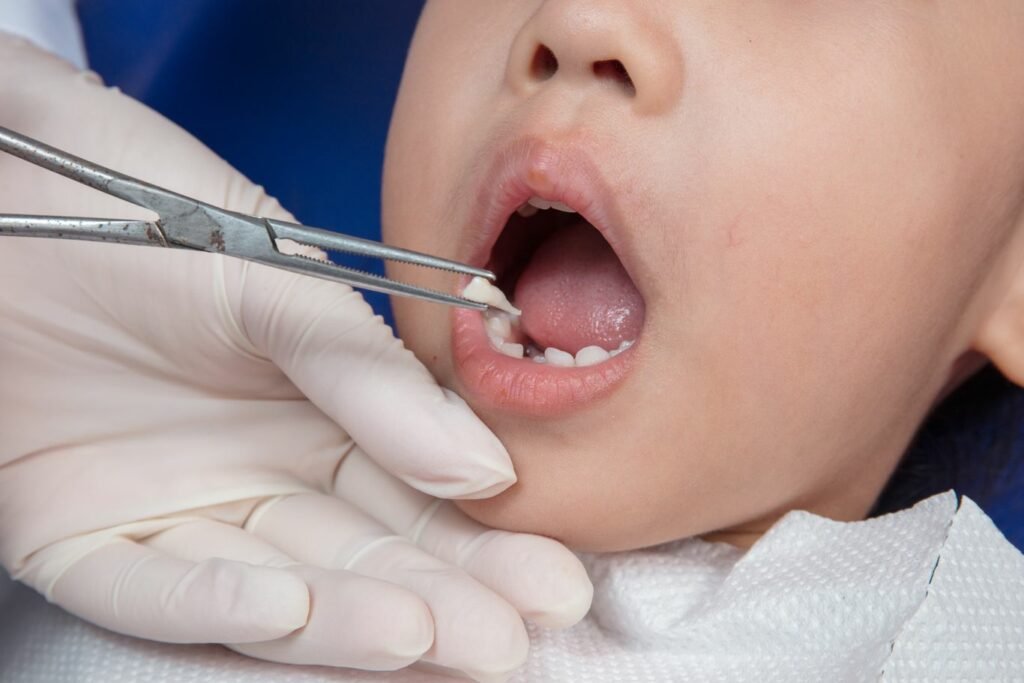
- Baby teeth that remain and interfere with permanent tooth eruption
Before recommending extraction, the dentist will usually examine the tooth and surrounding structures to determine the most appropriate treatment.
What Are Impacted Teeth?
An impacted tooth is one that cannot erupt into its normal position because it is blocked by another tooth, bone, or surrounding tissue. Wisdom teeth are among the most commonly impacted teeth, although other teeth can also become impacted.
An impacted tooth may cause no symptoms initially. In other cases, it can lead to pain, swelling, difficulty cleaning the area, infection, or pressure on nearby teeth.
Depending on the position of the tooth and the patient’s overall dental health, the dentist may recommend monitoring or surgical removal.
Why Are Wisdom Teeth Sometimes Removed?
Wisdom teeth, or third molars, usually appear during the late teenage years or early adulthood. Not everyone needs to have them removed.
Extraction may be considered when a wisdom tooth is causing problems such as:
- Repeated pain or infection
- Swelling around the tooth
- Difficulty maintaining proper hygiene
- Damage to neighbouring teeth
- Significant decay
- Abnormal positioning
- Cysts or other associated dental concerns
The decision should be based on a clinical examination and appropriate dental imaging rather than age alone.
What Other Dental Surgical Procedures May Be Needed?
Dental surgery involves more than tooth extraction. Depending on a patient’s condition, other procedures may sometimes be recommended.
Surgical Treatment for Gum Problems
Advanced gum disease can damage the tissues and bone supporting the teeth. In selected cases, periodontal surgery may be required to manage the affected area and support the health of the surrounding tissues.
Removal of Oral Cysts or Abnormal Growths
Some cysts or other abnormal growths can develop within the jaw or oral tissues. When necessary, surgical removal may allow the area to be examined and treated appropriately.
Dental Implant-Related Procedures
When a tooth is missing, dental implants may be considered as a tooth-replacement option for suitable patients. Implant treatment may involve one or more surgical stages depending on the patient’s bone and gum condition.
What Happens Before Dental Surgery?
A thorough assessment is important before any surgical procedure. The dentist may review your symptoms, dental history, medications, and overall health.
Depending on the procedure, dental X-rays or other imaging may be recommended to understand the position of the tooth and surrounding structures. The dentist will then explain the proposed procedure, expected recovery, possible risks, and aftercare instructions.
Patients should inform their dentist about any existing medical conditions or medications they are taking.
What Should Patients Expect After Surgery?
Some soreness, swelling, or mild discomfort can occur following dental surgery. The exact recovery experience depends on the procedure performed.
Patients are generally advised to follow their dentist’s instructions regarding:
- Oral hygiene
- Food and drinks
- Prescribed medications
- Physical activity
- Smoking or tobacco
- Follow-up appointments
Avoid disturbing the surgical site and contact your dentist if you experience severe or worsening pain, significant bleeding, increasing swelling, fever, or other unusual symptoms.
Does Every Dental Problem Need Surgery?
No. Dental surgery is considered only when it is appropriate for the patient’s condition. Many dental problems can be managed with preventive care, fillings, root canal treatment, periodontal care, or other non-surgical approaches.
The purpose of a professional evaluation is to identify the least invasive treatment that can effectively address the problem while protecting the patient’s oral health.
Choosing a Dental Surgeon in Newtown
The need for dental surgery can understandably create anxiety. However, understanding the reason for the procedure and knowing what to expect can make the experience more manageable.
If you are looking for a dental surgeon in Newtown, Dr. Rima Nandi can evaluate your dental condition and discuss suitable treatment options based on your individual needs. Whether the concern involves an impacted tooth, damaged tooth, infection, or another oral condition, timely professional assessment can help prevent minor problems from becoming more complicated.