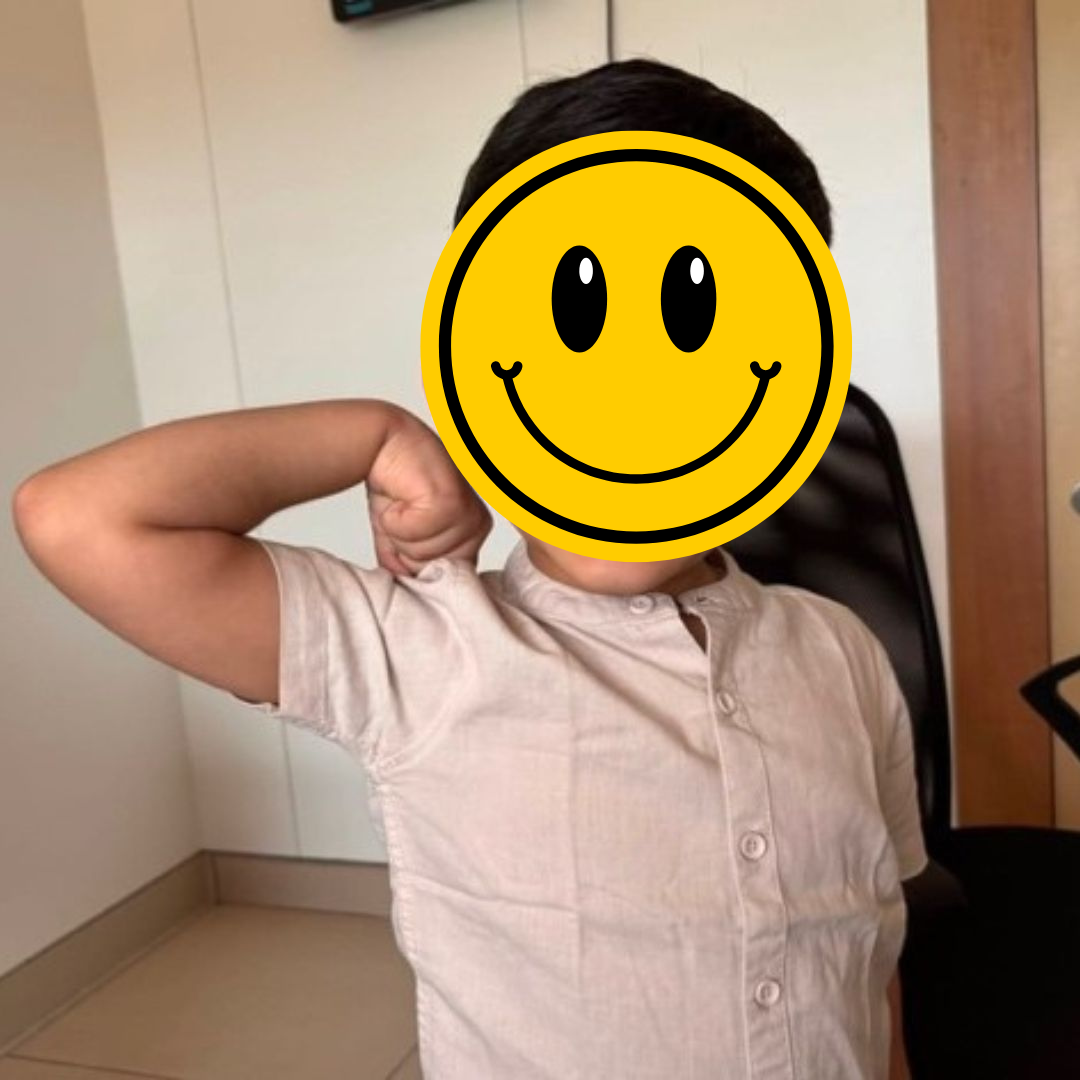
Children are naturally active. Whether they are playing football, cricket, badminton, gymnastics, or simply enjoying outdoor games, physical activity is essential for their growth and development. However, with increased participation in sports comes the possibility of injuries. While most sports injuries are minor, some require timely medical attention to prevent long-term complications.
As a child bone specialist in Kolkata, Dr. Abhishek Nandi believes that understanding the causes, prevention, and proper treatment of sports injuries can help parents ensure their children stay healthy and active without compromising their growing bones and joints.
Why Are Children More Prone to Sports Injuries?
Unlike adults, children’s bones, muscles, ligaments, and tendons are still developing. Their growth plates—the soft areas near the ends of long bones—are particularly vulnerable to injury. A fall, sudden twist, repetitive movements, or improper sports techniques can affect these growing structures.
Children often ignore pain or continue playing despite discomfort, which may worsen an injury if not addressed promptly.
Common Sports Injuries in Children
Some of the most frequently seen sports injuries include:
- Sprains and strains
- Fractures caused by falls or collisions
- Growth plate injuries
- Knee pain and ligament injuries
- Ankle sprains
- Shoulder injuries in throwing sports
- Stress fractures due to repetitive activity
- Tennis elbow or little league elbow in young athletes
Early diagnosis is important because untreated injuries can interfere with normal bone growth and physical development.
Warning Signs Parents Should Never Ignore
After sports or physical activity, it is normal for children to experience mild muscle soreness. However, certain symptoms require immediate medical evaluation.
Watch for:
- Persistent pain lasting more than a day
- Swelling around a joint
- Difficulty walking or bearing weight
- Limited movement of an arm or leg
- Visible deformity
- Pain that worsens during activity
- Repeated injuries in the same area
Consulting a child bone specialist in Kolkata at the right time helps prevent complications and ensures appropriate treatment.
How to Prevent Sports Injuries
Although not every injury can be avoided, many are preventable with simple precautions.
Encourage Proper Warm-Up
Children should spend at least 10–15 minutes warming up before any sport. Light jogging, stretching, and mobility exercises prepare muscles and joints for physical activity.
Use Appropriate Safety Equipment
Protective gear such as helmets, knee pads, elbow guards, shin guards, and properly fitted sports shoes significantly reduces the risk of injury.
Focus on Correct Technique
Learning the correct playing technique under qualified coaches helps reduce unnecessary stress on bones and joints.
Avoid Overtraining
Many young athletes participate in multiple sports throughout the week. Without sufficient rest, repeated stress increases the likelihood of overuse injuries.
Ensure children have at least one or two rest days each week.
Maintain Good Nutrition
Healthy bones require adequate calcium, vitamin D, protein, and other essential nutrients. A balanced diet supports bone strength and muscle recovery.
Stay Hydrated
Dehydration affects muscle function and coordination, increasing the chance of injuries during physical activity.
What Should Parents Do Immediately After an Injury?
If your child is injured during sports, remain calm and stop them from continuing the activity.
For minor injuries, the RICE method can be helpful:
- Rest the injured area.
- Ice the affected region for 15–20 minutes every few hours.
- Compression using an elastic bandage helps reduce swelling.
- Elevation keeps the injured limb above heart level whenever possible.
Avoid massaging severe injuries or attempting to straighten a suspected fracture. Seek medical attention immediately if there is severe pain, deformity, or inability to move the affected limb.
Recovery Is More Than Just Rest
Many parents believe that once pain decreases, children can immediately return to sports. Unfortunately, returning too early increases the risk of reinjury.
Recovery may involve:
- Medical evaluation
- X-rays or other imaging when required
- Immobilization using casts or braces
- Physiotherapy
- Gradual strengthening exercises
- Flexibility training
- Balance and coordination exercises
Every child’s recovery timeline differs depending on age, injury severity, and overall health.
When Can a Child Return to Sports?
Returning to sports should always be based on medical advice rather than the child’s eagerness to play.
A child is generally ready to resume sports when they:
- Have no pain during normal activities
- Regain full strength
- Recover complete joint movement
- Can run, jump, and change direction comfortably
- Receive clearance from their orthopedic specialist
A gradual return with supervised practice helps reduce the risk of repeat injuries.
Why Early Orthopedic Care Matters
Ignoring sports-related pain may lead to chronic problems affecting bone growth and future athletic performance. Growth plate injuries, if left untreated, may result in deformities or unequal limb growth.
Early diagnosis allows timely treatment, faster recovery, and a safer return to sports.
Parents should remember that children are not simply “small adults.” Their growing skeleton requires specialized evaluation and treatment whenever injuries occur.
Conclusion
Sports play a vital role in building confidence, discipline, and physical fitness in children. With proper training, safety measures, balanced nutrition, and timely medical care, most sports injuries can be prevented or successfully treated.
If your child experiences persistent pain, swelling, or difficulty moving after sports, don’t ignore the symptoms. Consulting Dr. Abhishek Nandi, an experienced child bone specialist in Kolkata, can help ensure an accurate diagnosis, effective treatment, and a safe return to the activities your child enjoys.