
Seeing blood while your child brushes or flosses can be alarming. Many parents assume that bleeding gums are normal, but healthy gums should not bleed regularly. In most cases, bleeding gums are an early sign of gum inflammation that can be treated successfully if addressed in time. Ignoring the problem, however, may allow it to worsen and affect your child’s overall oral health.
Understanding the causes of bleeding gums and knowing when to seek professional care can help protect your child’s smile. If you are searching for kids gum disease treatment in Newtown, early diagnosis and appropriate treatment are the keys to healthy gums.
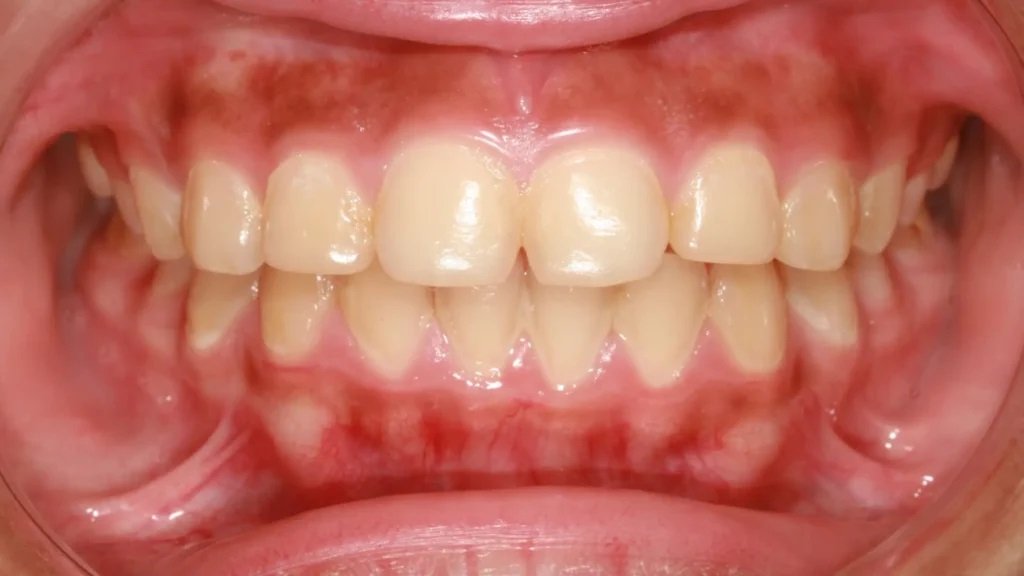
Why Do Children’s Gums Bleed?
The most common cause of bleeding gums in children is the buildup of dental plaque. Plaque is a sticky film of bacteria that forms on the teeth and along the gum line. When it is not removed through regular brushing and flossing, it irritates the gums and leads to inflammation, a condition known as gingivitis.
Besides plaque, several other factors can contribute to gum bleeding.
Common Causes of Bleeding Gums in Children
Poor Oral Hygiene
Irregular brushing or improper brushing techniques allow bacteria to accumulate around the gums. This is the leading cause of gingivitis in children.
Improper Flossing
Children who are new to flossing may occasionally experience slight bleeding due to incorrect technique. With proper guidance, this usually improves within a few days.
Vitamin Deficiencies
A diet lacking essential nutrients, particularly vitamin C, can make gums more sensitive and prone to bleeding. A balanced diet supports healthy teeth and gums.
Orthodontic Appliances
Braces and other orthodontic appliances can make cleaning more difficult, allowing plaque to build up around the gums if oral hygiene is not maintained carefully.
Mouth Breathing
Children who breathe through their mouths, especially while sleeping, may develop dry gums that are more susceptible to irritation and inflammation.
Hormonal Changes
As children approach adolescence, hormonal fluctuations can make the gums more sensitive to plaque, increasing the risk of gingivitis.
Symptoms Parents Should Watch For
Bleeding gums are often accompanied by other warning signs, including:
- Red or swollen gums
- Tenderness while brushing
- Bad breath that does not improve
- Gum pain or discomfort
- Plaque buildup near the gum line
- Receding gums in severe cases
Early recognition of these symptoms allows treatment before the condition progresses.
Can Gum Disease Affect Children?
Yes. Although severe gum disease is less common in children than in adults, gingivitis can occur at any age. If left untreated, inflammation may progress and eventually damage the tissues supporting the teeth.
Fortunately, gingivitis is usually reversible with timely professional care and improved oral hygiene.
How Is Bleeding Gum Disease Diagnosed?
A pediatric dentist performs a detailed examination of your child’s teeth and gums. During the visit, the dentist checks for:
- Plaque and tartar buildup
- Gum inflammation
- Bleeding around the gum line
- Tooth alignment
- Oral hygiene habits
In some cases, dental X-rays may be recommended if there are concerns about deeper gum or bone involvement.
Treatment for Bleeding Gums in Children
Treatment depends on the underlying cause and the severity of the condition.
Professional Dental Cleaning
Removing plaque and tartar is often the first step. Professional cleaning helps reduce inflammation and allows the gums to heal.
Improved Oral Hygiene
Parents and children receive guidance on proper brushing and flossing techniques to keep the gums healthy at home.
Dietary Advice
A balanced diet rich in fruits, vegetables, dairy products, and vitamin C supports healthy gums and strengthens the body’s natural healing process.
Managing Orthodontic Hygiene
Children wearing braces may be advised to use special brushes or interdental cleaners to remove plaque effectively around brackets and wires.
Regular Follow-up Visits
Routine dental check-ups allow the dentist to monitor healing and prevent future gum problems before they become more serious.
How Parents Can Prevent Gum Problems
Healthy habits established early can significantly reduce the risk of gum disease.
Parents should encourage children to:
- Brush twice daily using fluoride toothpaste
- Floss every day once teeth begin touching
- Eat a nutritious, balanced diet
- Limit sugary snacks and drinks
- Drink plenty of water throughout the day
- Visit the dentist every six months
- Replace toothbrushes every three months or when the bristles become worn
Consistent oral care is the best defense against gum disease.
When Should You Visit a Pediatric Dentist?
Schedule a dental appointment if your child has:
- Bleeding gums for more than a few days
- Swollen or painful gums
- Persistent bad breath
- Difficulty chewing due to gum discomfort
- Loose teeth unrelated to normal tooth shedding
- Recurrent gum infections
Early treatment helps prevent complications and keeps your child’s smile healthy.
Compassionate Pediatric Dental Care by Dr. Rima Nandi
Healthy gums are essential for maintaining strong teeth and supporting lifelong oral health. Bleeding gums should never be ignored, as early treatment can prevent more serious dental problems in the future.
Dr. Rima Nandi provides comprehensive pediatric dental care with a gentle, child-friendly approach. From preventive dental check-ups and professional cleanings to the diagnosis and management of gum conditions, she focuses on helping every child achieve excellent oral health in a comfortable environment.
If you are looking for kids gum disease treatment in Newtown, consult Dr. Rima Nandi for expert evaluation, personalized treatment, and compassionate care that keeps your child’s gums healthy and their smile bright.