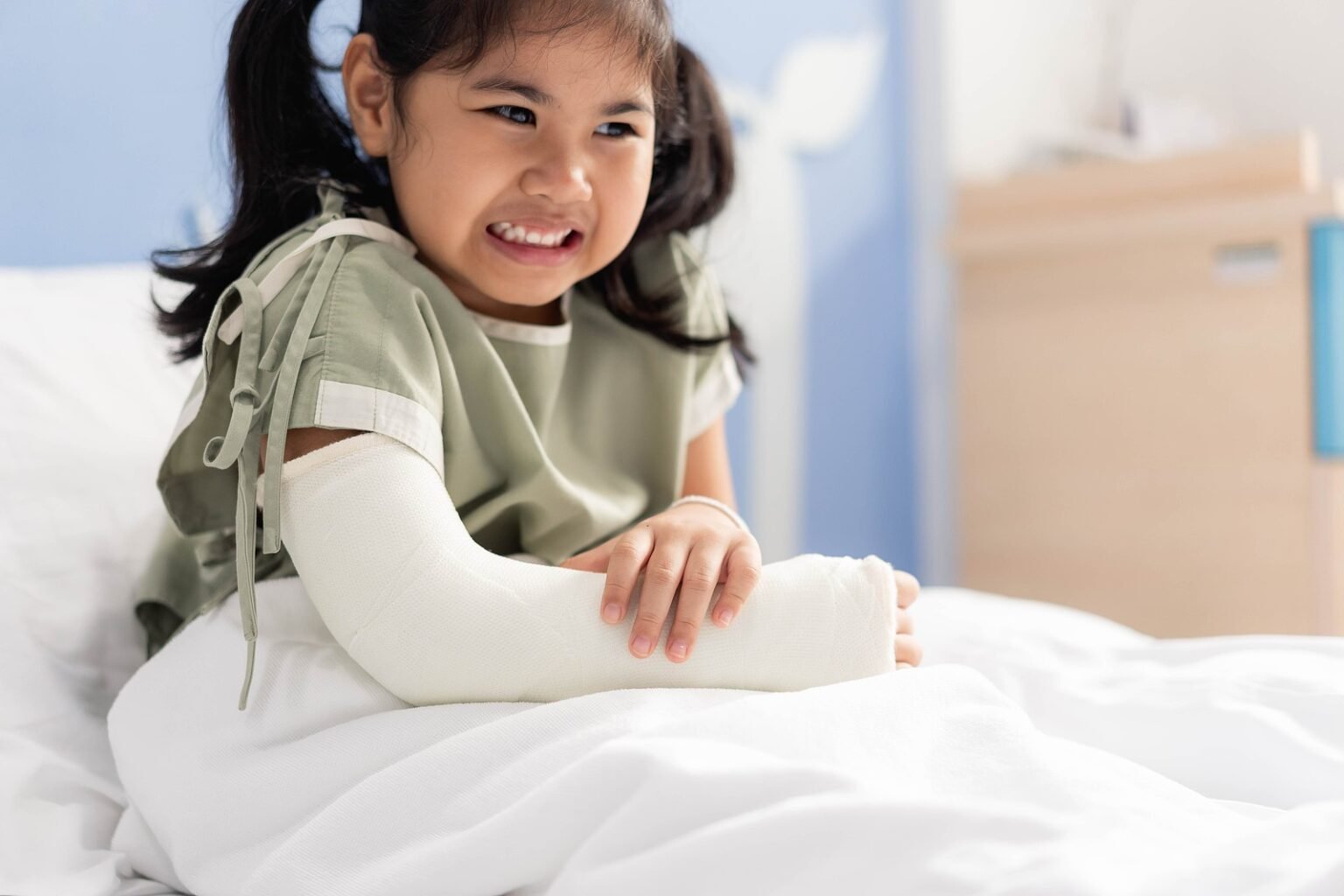
Children are naturally active. Whether they are running in the playground, riding a bicycle, or participating in sports, minor falls and injuries are a part of growing up. While many bumps and bruises heal on their own, a broken bone requires prompt medical attention to ensure proper healing and normal bone growth. Children’s bones are different from those of adults, which is why they should always be treated by a pediatric orthopedic specialist.
If you are looking for a child bone specialist in Kolkata, understanding how pediatric fractures are diagnosed and treated can help you make informed decisions during an emergency.
Why Children’s Bones Need Specialized Care
A child’s bones are softer, more flexible, and continuously growing. They contain growth plates—areas of developing cartilage located near the ends of long bones. An injury involving a growth plate can affect future bone development if not treated correctly.
Unlike adult fractures, children’s bones often heal faster and have a remarkable ability to remodel. However, this healing process must be carefully monitored by an experienced pediatric orthopedic surgeon.
Common Causes of Broken Bones in Children
Children may suffer fractures due to:
- Falls while playing
- Sports-related injuries
- Bicycle or scooter accidents
- Playground accidents
- Road traffic accidents
- Falls from stairs or furniture
Most fractures are not life-threatening, but immediate medical evaluation is essential to prevent complications.
Signs That Your Child May Have a Broken Bone
Parents should seek medical attention if their child experiences:
- Severe pain after an injury
- Swelling around the injured area
- Difficulty moving an arm or leg
- Visible deformity
- Inability to bear weight
- Bruising near the injury
- Tenderness when touched
Even if there is no obvious deformity, persistent pain after a fall should never be ignored.
How a Child Fracture Doctor Diagnoses the Injury
A pediatric orthopedic specialist begins with a detailed examination to understand how the injury occurred. The doctor checks for swelling, tenderness, range of motion, circulation, and nerve function.
X-rays are the most common imaging test used to confirm a fracture. In certain cases, advanced imaging such as CT scans or MRI may be recommended, especially if the injury involves a joint or growth plate.
An accurate diagnosis is the foundation of safe and effective treatment.
Safe Treatment Options for Children’s Fractures
Treatment depends on the child’s age, the type of fracture, and its location.
Immobilization
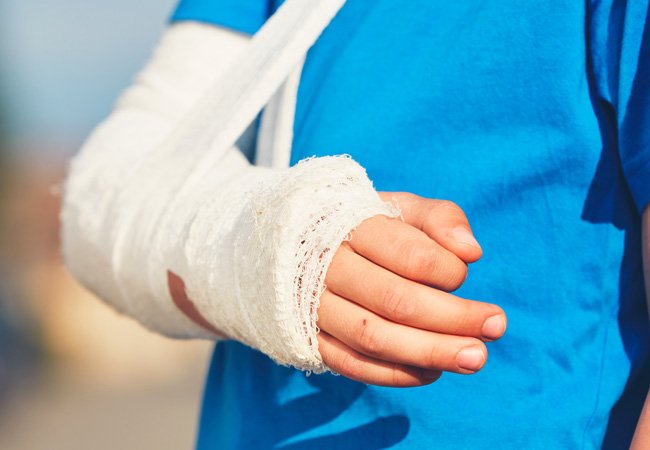
Many simple fractures can heal with a cast or splint that keeps the bone in the correct position. The duration of immobilization varies depending on the injury and the child’s age.
Closed Reduction
If the broken bone is out of alignment, the doctor may gently reposition it without surgery. This procedure, known as closed reduction, is usually performed under appropriate pain management or anesthesia to ensure the child’s comfort.
Surgical Treatment
Some fractures require surgery, especially when:
- The fracture is severely displaced.
- The bone breaks into multiple pieces.
- The growth plate is affected.
- The fracture is open (bone pierces the skin).
- The injury cannot be stabilized with a cast alone.
Modern pediatric orthopedic surgery uses child-friendly techniques designed to restore bone alignment while protecting future growth.
Recovery After a Fracture
Children generally heal faster than adults. However, recovery does not end when the cast is removed.
The doctor may recommend:
- Gentle movement exercises
- Physiotherapy when needed
- Gradual return to sports
- Regular follow-up X-rays
- Monitoring of growth plate injuries
Following medical advice carefully helps ensure complete healing and reduces the risk of future problems.
Preventing Future Fractures
Although accidents cannot always be prevented, parents can reduce the risk by:
- Encouraging the use of helmets and protective gear
- Providing a calcium-rich and vitamin D-rich diet
- Promoting regular physical activity to strengthen bones
- Supervising young children during outdoor play
- Ensuring safe playground environments
Healthy bones are built through proper nutrition, exercise, and timely medical care.
When Should You Visit a Child Bone Specialist?
Seek immediate medical attention if your child has:
- Severe pain after a fall
- A visibly crooked or swollen limb
- Difficulty walking or using an arm
- Persistent pain despite rest
- Suspected growth plate injury
- Repeated fractures after minor injuries
Early diagnosis and treatment can prevent long-term complications and help your child return to normal activities safely.
Expert Pediatric Fracture Care by Dr. Abhishek Nandi
A fracture during childhood can be stressful for both parents and children, but with expert care, most children recover fully and regain normal function. Dr. Abhishek Nandi provides comprehensive pediatric orthopedic care for fractures, growth plate injuries, bone deformities, and other musculoskeletal conditions using evidence-based treatment tailored to each child.
If you are searching for a trusted child bone specialist in Kolkata, timely consultation with Dr. Abhishek Nandi can ensure your child receives safe, accurate, and compassionate care for every stage of recovery.