Malignant Bony tumours in children are notorious as it affects at very tender age and have grave prognosis. Most common malignant bone tumour in a child is osteosarcoma followed by Ewing sarcoma. The most common site of occurrence for osteosarcoma is upper end of tibia (shin bone), and the most common location of Ewing sarcoma is lower end of femur.
Diagnosis– a complete work-up is required which includes x-ray of the affected leg, MRI of the effected bone and both full length limb. Bone scan is done for assessment of the distant spread (metastasis).
Treatment– Biopsy is done for confirmation of diagnosis. After that child is send for chemotherapy, once the tumour shrink in size it is send back to paediatric orthopaedic tumour surgeon for resection of the tumour. Limb salvage surgery is currently the gold standard. Unlike adult, the paediatric size implant/prosthesis is difficult to obtain. Autograft is often taken from the child opposite limb for reconstruction of the affected limb.
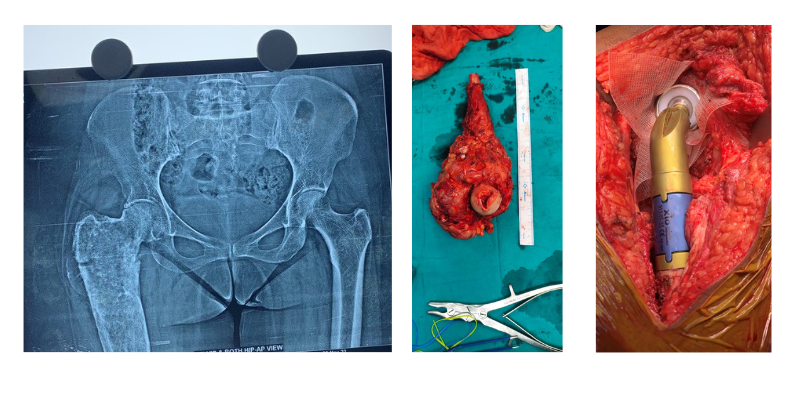
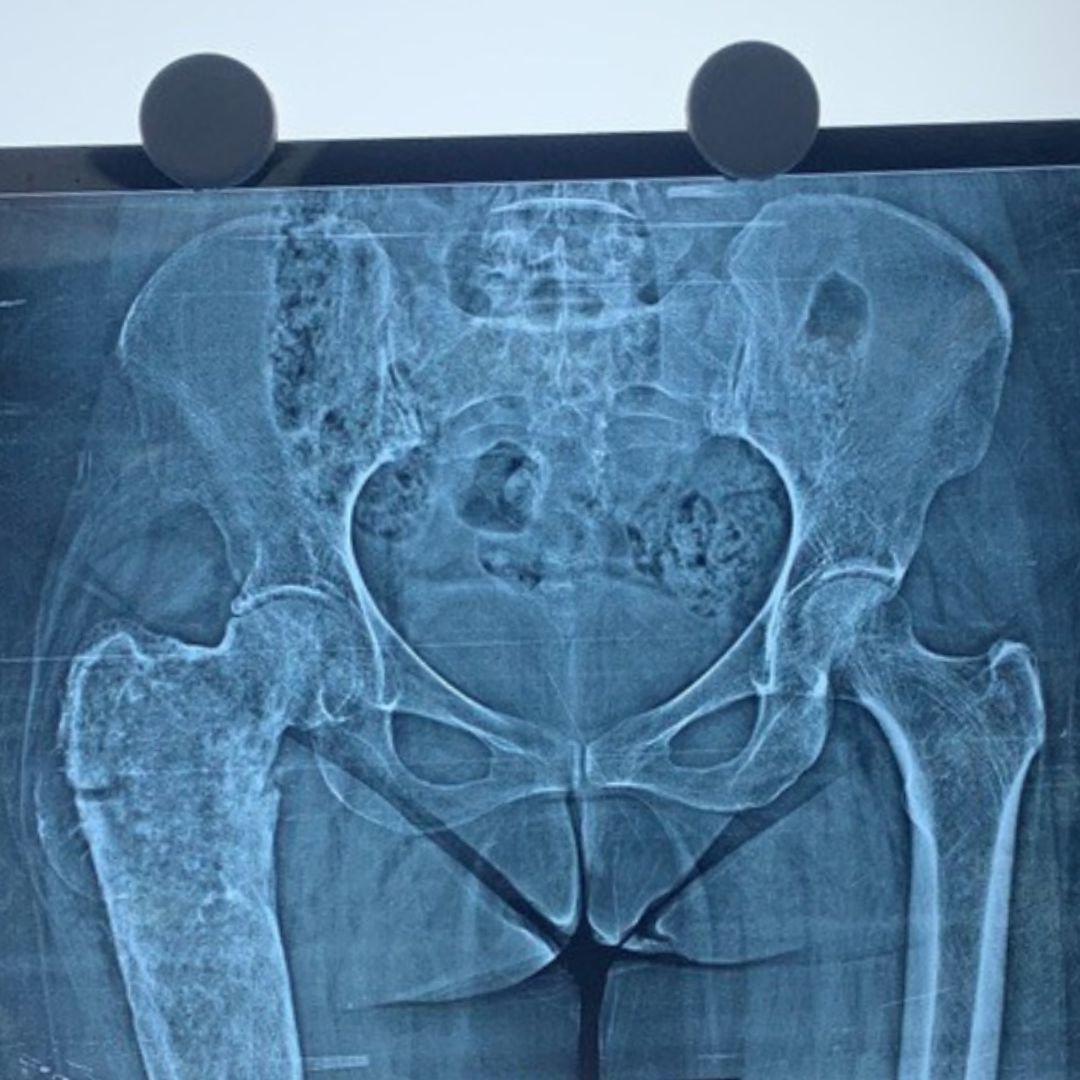
Chondrosarcoma of proximal femur managed with excision and megaprosthesis.
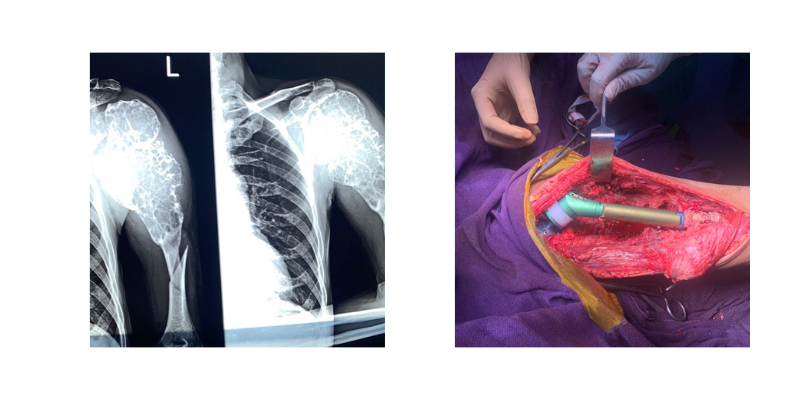
Giant cell tumor of proximal humerus – excision and megaprosthesis
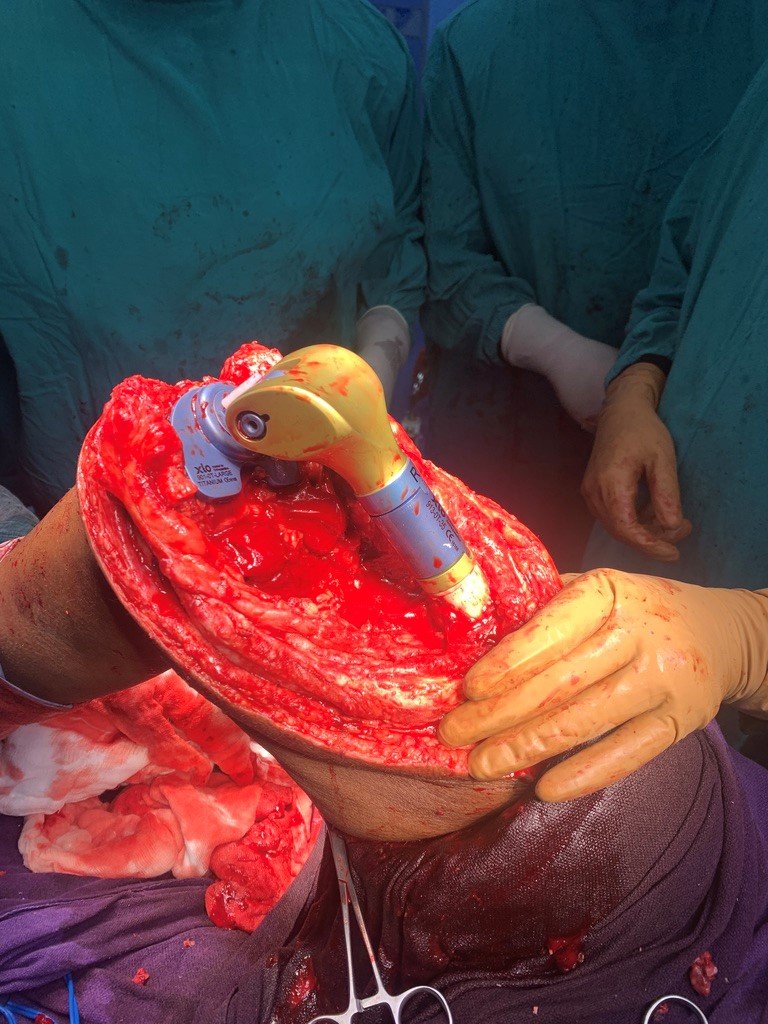
Ewing sarcoma of distal femur – excision and megaprosthesis
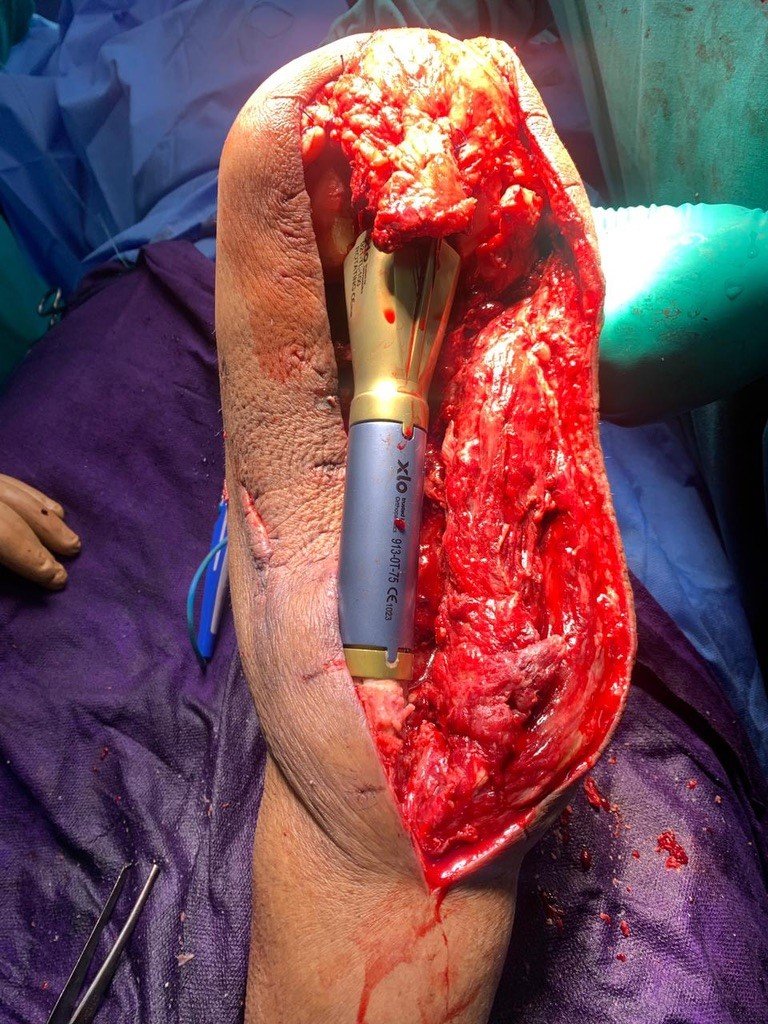
Osteosarcoma of proximal tibia- excision and megaprosthesis
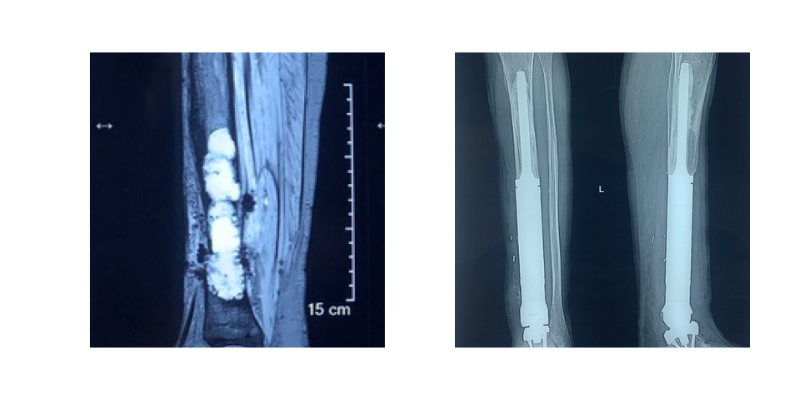
Recurrent adamantinoma – excision and distal tibia megaprosthesis
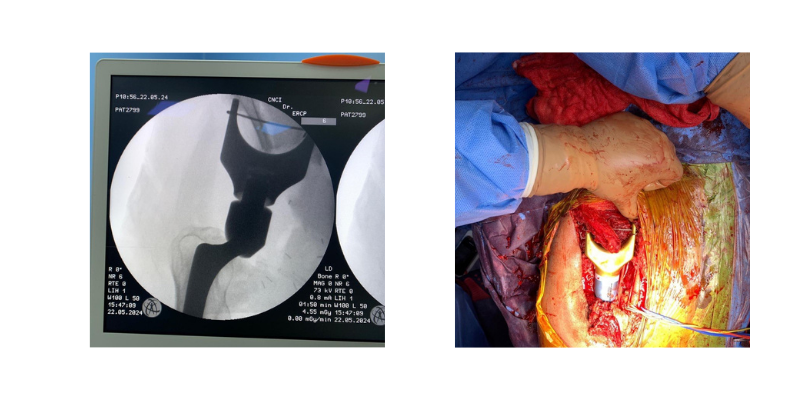
Saddle prosthesis for reconstruction of pelvic malignancy
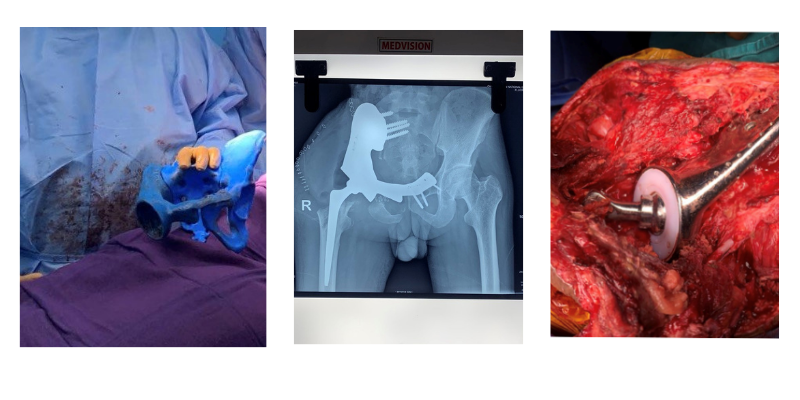
Patient specific 3-D implant for reconstruction after hemipelvectomy- chondrosarcoma of right hemipelvis
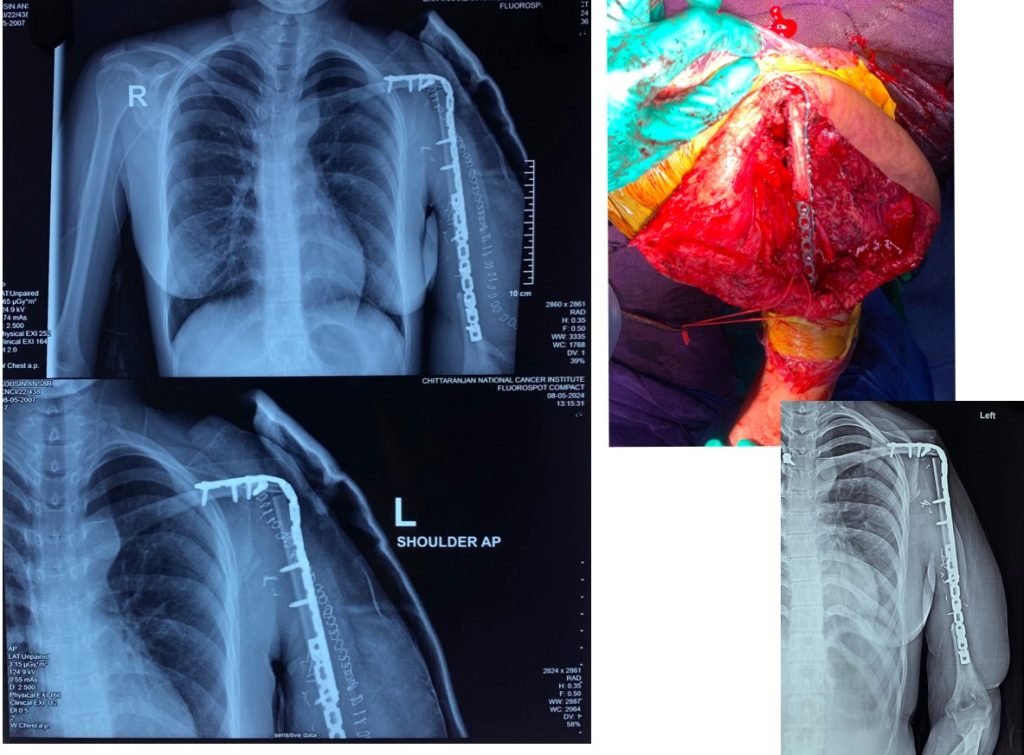

12 years old girl with osteosarcoma left proximal humerus- excision and vascularised fibula reconstruction.
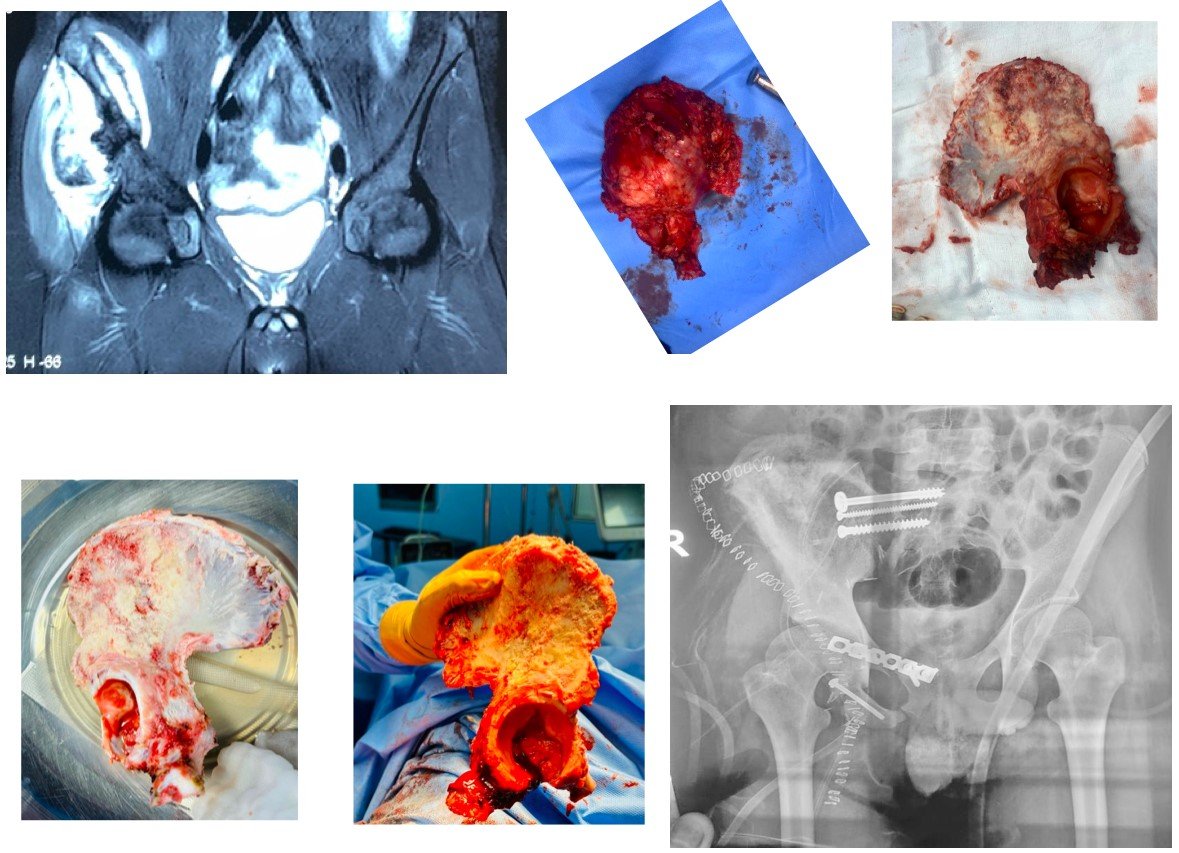
Extracorporeal irradiation and reimplantation (ECRT) after hemipelvectomy- Osteosarcoma of right hemipelvis
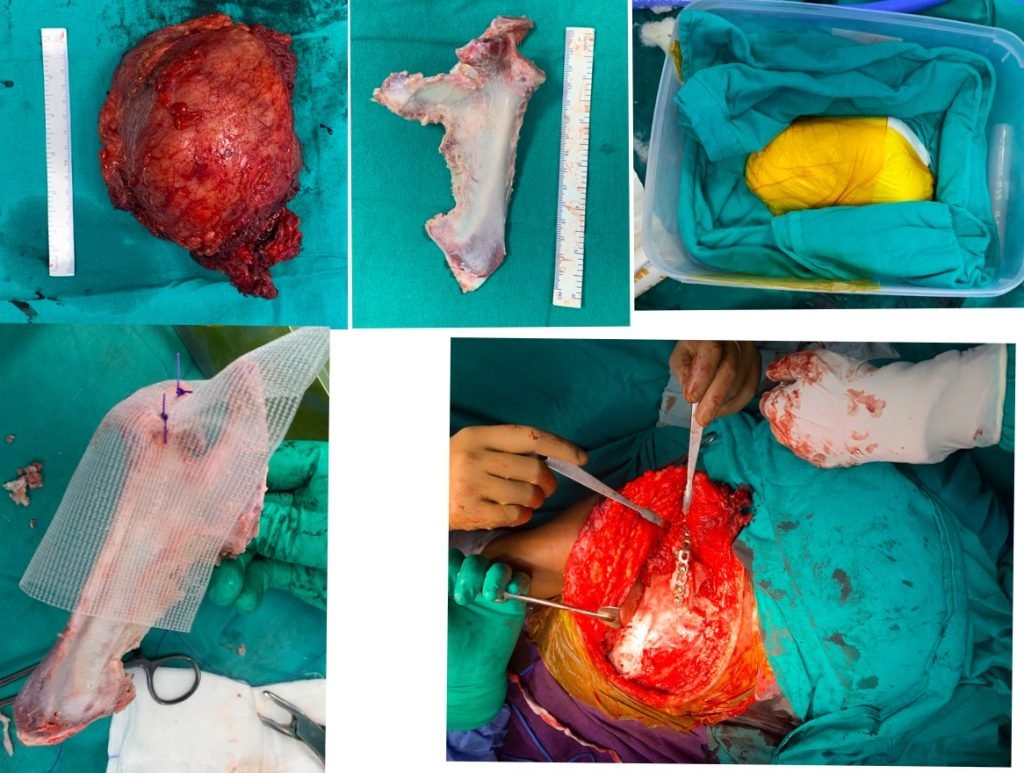
Extracorporeal irradiation and reimplantation (ECRT) after total scapulectomy – Ewing sarcoma of left scapula.