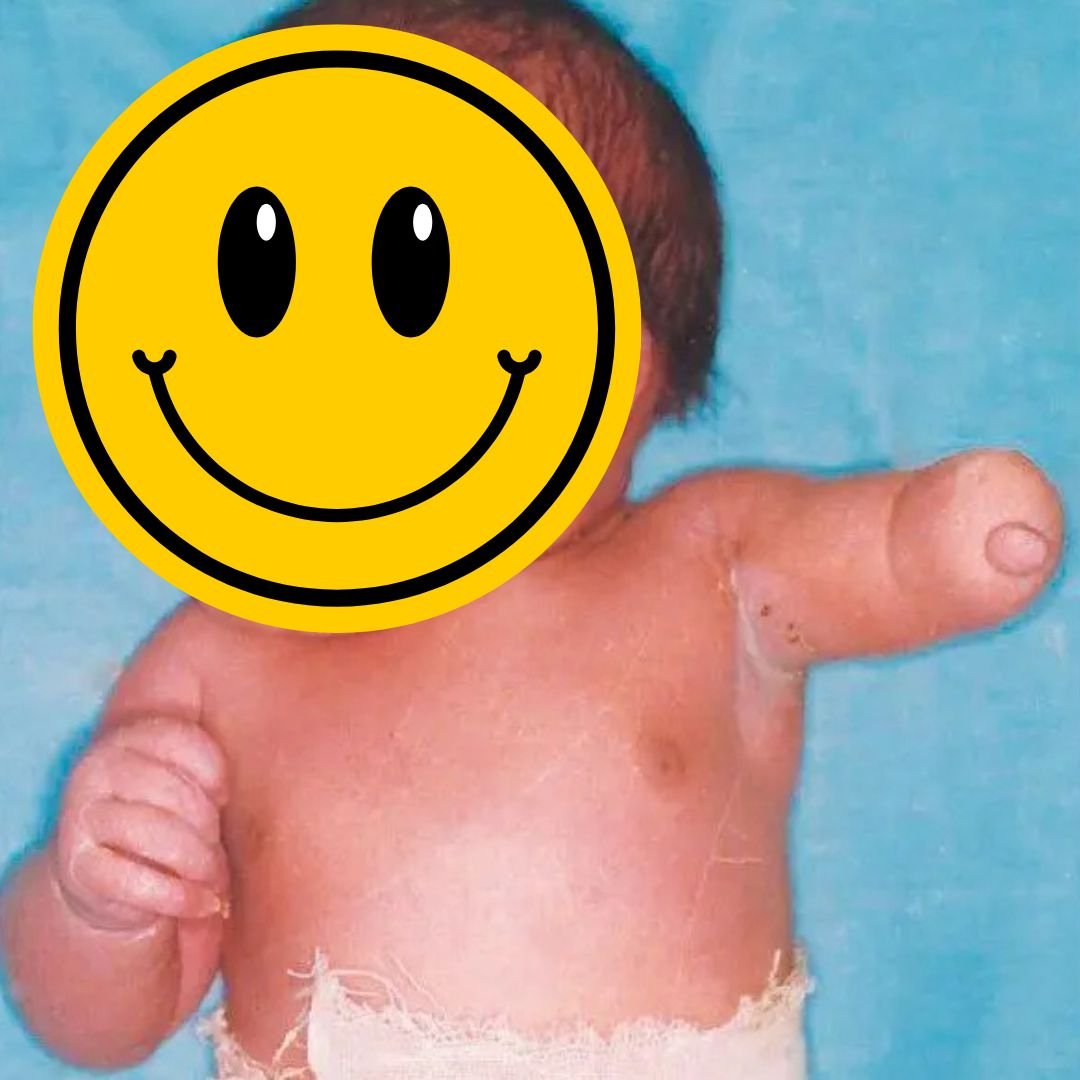
Limb deficiency is a congenital condition where there is partial or complete loss of development of one or more limb ( upper limb or lower limb). It is caused by a genetical mutation in the limb development gene, viral infection (zika), drug abuse (thalidomide). Any insult during the 3-4th week of life leads to partial or complete loss of limb.
Acheiria- absence of hand
Acheriopodia- absence of hand and foot
Adactyly- absence of the fingers or toes
Agenesis- absence or no development
Amelia – complete absence of limb
Amputation- absence of distal part of limb
Aphalangia- absence of fingers
Apodia- absence of foot
Ectrocheiria- total or partial absence of hand
Ectrodactyly- total or partial absence of finger
Ectropodia- total or partial absence of foot
Hemimelia-absence of one of the paired bone of the limb
Meromelia- partial absence of limb
Oligodactyly- absence of some fingers
Phocomelia- absence of the arm and forearm in upper limb/ thigh and leg in lower limb.
Diagnosis- most cases are diagnosed at birth, but some conditions like femur deficiency are noticed late. Intra-uterine USG can also diagnose it at around 12 weeks of gestation.
Most common types of limb deficiency are
Fibular hemimelia- congenital deficiency of the fibula bone of the leg
Tibial hemimelia- congenital deficiency of the tibia bone of the leg
Proximal femur focal deficiency- congenital deficiency of the femur bone of the leg
Radial club hand- congenital absence of the radius bone of the forearm.
It requires a complete examination of the child, the limb, heart and kidney all develop at the same time, so deformity of the limbs may co-exist with heart and kidney anomaly as well.
Treatment- Congenital absence of limbs require complex limb reconstruction procedure and multiple times surgery. One surgery will not suffice as new deformity will appear as the child grows and has to be dealt accordingly.