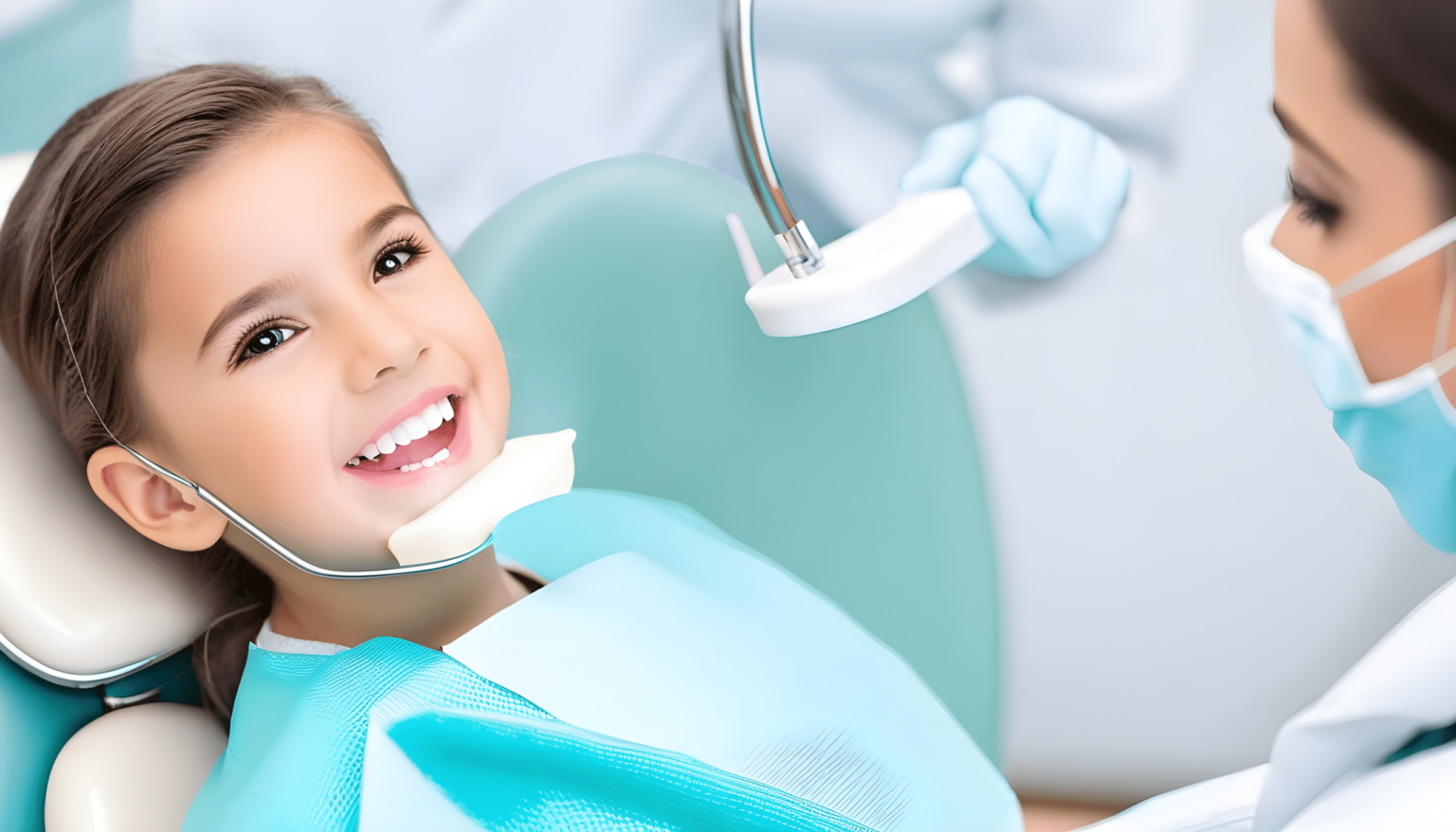
Dental surgery can be an important step toward restoring oral health, relieving pain, or treating a dental condition. Whether the procedure involves a tooth extraction, gum surgery, implant-related treatment, or another oral surgical procedure, proper aftercare plays a major role in supporting recovery.
Many patients are unsure about what they should eat, how to maintain oral hygiene, or when they can return to their normal routine after dental surgery. Following the instructions provided by your dentist and taking a few basic precautions can make the recovery period more comfortable.
If you are looking for a dental surgeon in Newtown, consulting an experienced professional can help you understand both the procedure and the appropriate aftercare required for your individual situation.
Follow Your Dentist’s Instructions Carefully
Every dental procedure is different, so recovery recommendations may vary depending on the type of surgery performed. Your dentist may provide specific instructions regarding medication, eating, brushing, physical activity, and follow-up appointments.
Patients should follow these instructions carefully rather than relying solely on general advice found online. If you are unsure about anything during recovery, contact your dental professional.
Manage Bleeding as Advised
Some minor bleeding or oozing can occur after certain dental surgeries. Your dentist may recommend gently biting on a sterile gauze pad for a specific period to help control bleeding.
Avoid repeatedly removing the gauze to check the area, as this may interfere with clot formation. If bleeding is heavy, persistent, or does not improve as expected, contact your dentist promptly.
Take Prescribed Medicines Properly
If medications have been prescribed after surgery, take them exactly as directed. Depending on the procedure, these may include pain-relieving medicines or other medications considered appropriate by your dentist.
Do not change the dosage or stop a prescribed medication without discussing it with your dental professional.
Choose Soft and Comfortable Foods
The mouth can remain sensitive for a while after dental surgery. Soft foods can make eating more comfortable during the initial recovery period.
Depending on your dentist’s advice, suitable options may include:
- Soft rice or porridge
- Yogurt
- Mashed vegetables
- Soft fruits
- Soups that are not very hot
- Scrambled eggs
- Other easy-to-chew foods
Avoid very hot, hard, crunchy, or excessively spicy foods if they irritate the surgical area. Chewing on the opposite side of the mouth may also be recommended temporarily.
Maintain Oral Hygiene Carefully
Keeping your mouth clean is important for recovery, but the surgical area may need special care. Continue brushing the unaffected teeth as directed, while avoiding unnecessary pressure around the surgical site.
Your dentist may recommend a particular mouth rinse or a specific method of cleaning the area. Do not vigorously rinse or disturb the surgical site unless your dentist has advised you to do so.
Good oral hygiene helps reduce the accumulation of bacteria and supports healthy healing.
Avoid Smoking and Tobacco
Smoking and tobacco use can interfere with healing and may increase the risk of complications after some dental procedures. Patients should avoid smoking during the recovery period and follow their dentist’s recommendations regarding when it is safe to resume normal activities.
Avoiding tobacco altogether is beneficial for long-term oral health as well.
Give Your Body Time to Recover
It is natural to want to return to your normal routine quickly, but strenuous physical activity may not be appropriate immediately after certain dental surgeries.
Rest as recommended by your dentist, particularly during the first part of recovery. Avoid activities that increase discomfort or bleeding and gradually return to your normal routine when you feel comfortable and your dentist has advised that it is appropriate.
Watch for Signs That Need Attention
Some discomfort and swelling can be expected after dental surgery. However, patients should contact their dentist if they notice symptoms that are severe, persistent, or worsening.
Seek professional advice if you experience:
- Increasing rather than improving pain
- Significant or persistent bleeding
- Severe swelling
- Fever or feeling unusually unwell
- Difficulty swallowing or breathing
- Pus or unusual discharge
- Persistent numbness or other concerning symptoms
Prompt evaluation can help identify complications and ensure appropriate treatment.
Do Not Miss Your Follow-Up Appointment
Follow-up visits allow your dentist to assess healing and address any concerns. Depending on the procedure, the dentist may check the surgical site, remove sutures if necessary, or discuss the next stage of treatment.
Even if you feel completely comfortable, attending the recommended follow-up appointment can be an important part of completing your treatment.
A Smooth Recovery Starts With Proper Care
Dental surgery recovery does not have to be stressful. Following your dentist’s instructions, maintaining appropriate oral hygiene, eating carefully, avoiding tobacco, and allowing adequate time for healing can support a smoother recovery.
If you need dental surgery or are concerned about recovery after a procedure, consulting a qualified dental surgeon in Newtown can help you understand what to expect at every stage. Dr. Rima Nandi can assess your dental needs and provide treatment and aftercare guidance tailored to your individual condition.