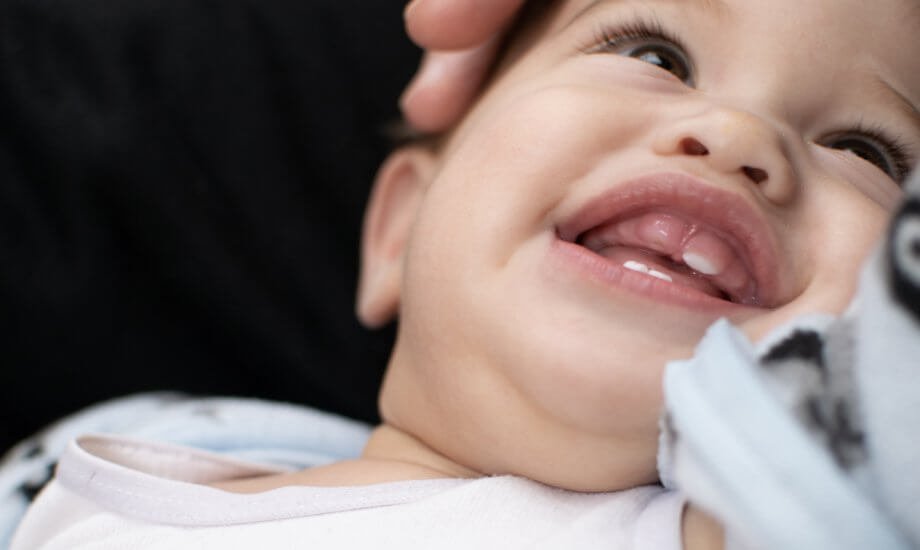
Children’s dental health plays an important role in their overall growth, nutrition, speech, and confidence. From the first baby tooth to the permanent teeth, children can experience several dental problems that may require professional attention. Developing good oral hygiene habits early can help protect their teeth and make dental visits a more comfortable experience.
Parents often wonder when their child should see a dentist or whether a particular dental issue is serious. Consulting the best kids dentist in Newtown can help identify problems early and provide age-appropriate dental care.
1. Tooth Decay and Cavities
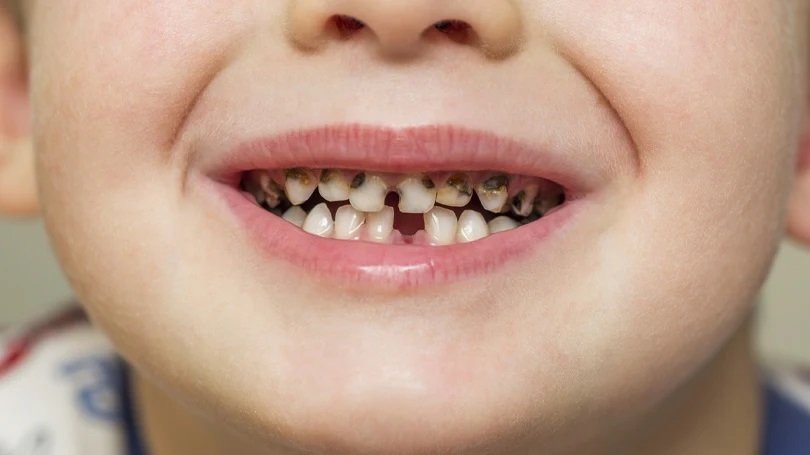
Cavities are among the most common dental problems in children. Frequent consumption of sugary foods, sweets, packaged snacks, and sweetened drinks can increase the risk of tooth decay. Poor brushing habits can also allow plaque and bacteria to remain on the teeth.
Early cavities may not cause noticeable discomfort. As decay progresses, a child may develop tooth sensitivity, toothache, difficulty eating, or swelling.
A pediatric dentist can examine the teeth and recommend appropriate treatment. Depending on the extent of decay, treatment may include preventive care, fluoride application, fillings, or other procedures.
2. Gum Problems
Children can also develop gum problems when plaque accumulates around the teeth. Red, swollen, or bleeding gums may indicate inflammation and should not simply be ignored.
Teaching children to brush gently along the gumline and maintaining regular dental check-ups can help prevent many gum-related problems. A pediatric dentist can also guide parents and children on age-appropriate brushing and flossing techniques.
3. Tooth Sensitivity
Some children complain that their teeth hurt when they eat something cold, hot, sweet, or sour. Tooth sensitivity can have several causes, including tooth decay, enamel problems, or exposed areas of the tooth.
Instead of assuming that sensitivity is normal, parents should discuss recurring symptoms with a dentist. Identifying the underlying cause is important for choosing the right treatment.
4. Early Tooth Loss
Baby teeth are naturally temporary, but losing a tooth too early can sometimes create problems for the developing permanent teeth. Premature tooth loss may affect the available space and potentially influence the alignment of future teeth.
In certain situations, a pediatric dentist may recommend monitoring or a space-maintaining appliance to help preserve the appropriate space until the permanent tooth is ready to emerge.
5. Misaligned or Crowded Teeth
As children grow, parents may notice teeth appearing crowded, overlapping, or positioned differently from neighbouring teeth. Some alignment concerns can be related to jaw development, oral habits, or inherited factors.
A pediatric dentist can monitor dental development and determine whether the child may benefit from an orthodontic assessment at the appropriate age.
6. Dental Injuries
Active children are naturally prone to falls and accidents. Sports, playground activities, and other physical activities can sometimes result in chipped, loosened, displaced, or knocked-out teeth.
A dental injury should be assessed promptly, even if the child does not experience significant pain. Quick evaluation can help determine whether the tooth can be preserved and whether there is any injury to the surrounding tissues.
Parents should consider using an appropriate mouthguard when children participate in sports where dental injuries are possible.
7. Thumb Sucking and Other Oral Habits
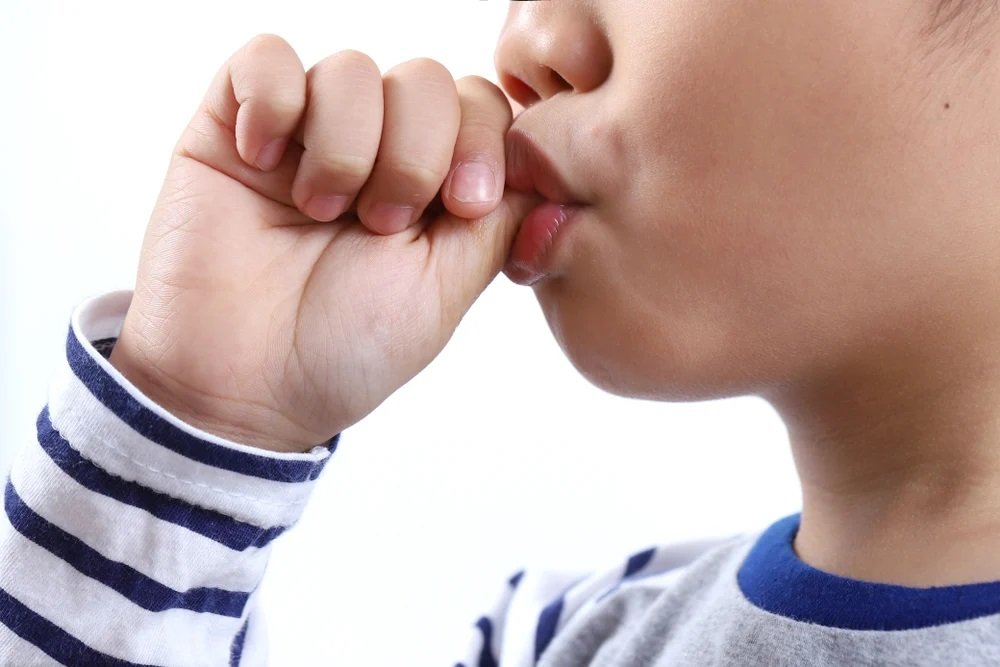
Thumb sucking and prolonged pacifier use can be normal during early childhood. However, persistent habits may affect the development and alignment of the teeth and jaws in some children.
A pediatric dentist can assess whether an oral habit is likely to affect dental development and suggest gentle, age-appropriate ways to help the child gradually stop the habit.
How Can a Pediatric Dentist Help?
Pediatric dentistry is not only about treating cavities. It focuses on maintaining healthy teeth and supporting proper oral development throughout childhood.
A pediatric dentist can help with:
- Regular dental examinations
- Cavity prevention and treatment
- Fluoride care
- Guidance on brushing and flossing
- Monitoring tooth and jaw development
- Management of dental injuries
- Advice about oral habits
- Preventive dental care
- Guidance for parents about children’s diet and oral hygiene
Regular visits also allow dental problems to be identified before they become more complicated.
When Should a Child Visit a Dentist?
Parents should consider scheduling a dental appointment if their child experiences persistent toothache, sensitivity, bleeding gums, swelling, difficulty chewing, visible cavities, or a dental injury.
Even when there are no obvious problems, routine dental visits are valuable because prevention and early detection can reduce the need for extensive treatment later.
Building Healthy Dental Habits Early
Parents can help protect their child’s oral health by encouraging twice-daily brushing with an age-appropriate fluoride toothpaste, limiting frequent sugary snacks and drinks, encouraging healthy food choices, and making dental visits a regular part of healthcare.
Children often learn by observing their parents, so making oral hygiene a positive family routine can make it easier for them to develop healthy habits.
Choosing the Right Kids Dentist in Newtown
Children’s dental needs change as they grow. A friendly and experienced pediatric dental professional can make dental visits less stressful while providing care suited to the child’s age and stage of development.
If you are searching for the best kids dentist in Newtown, Dr. Rima Nandi can help parents understand their child’s dental needs and provide appropriate preventive and treatment-focused dental care.