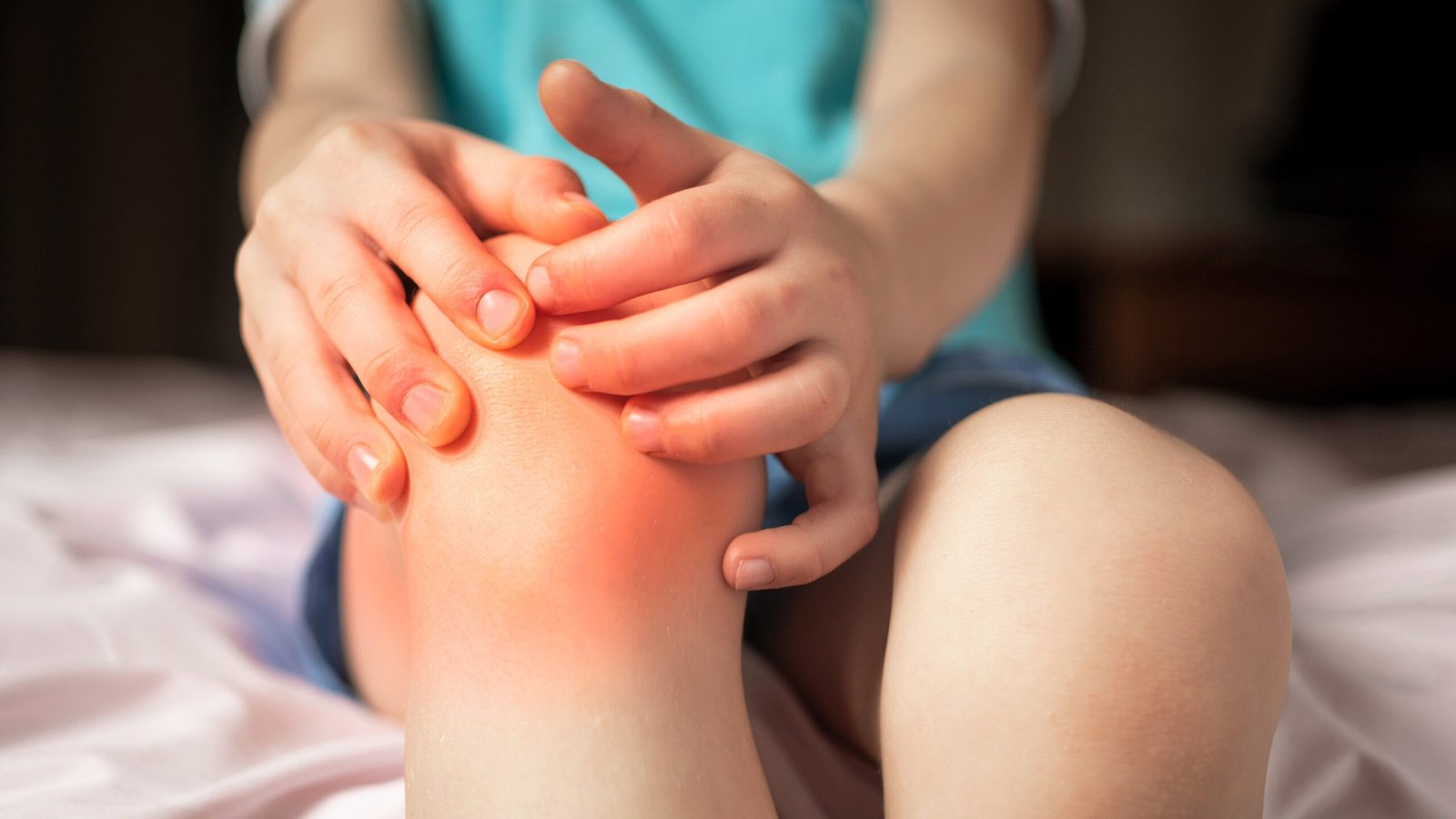
Children are naturally active. Running, jumping, playing sports, and exploring their surroundings are all part of healthy development. At the same time, growing bones and joints can sometimes be affected by injuries, developmental changes, or other orthopaedic conditions.
Parents may notice symptoms such as pain, swelling, limping, stiffness, or changes in the way their child walks. While many childhood aches are temporary, persistent or unusual symptoms should not be ignored. Consulting a child bone specialist in Kolkata can help identify the cause and determine whether treatment is necessary.
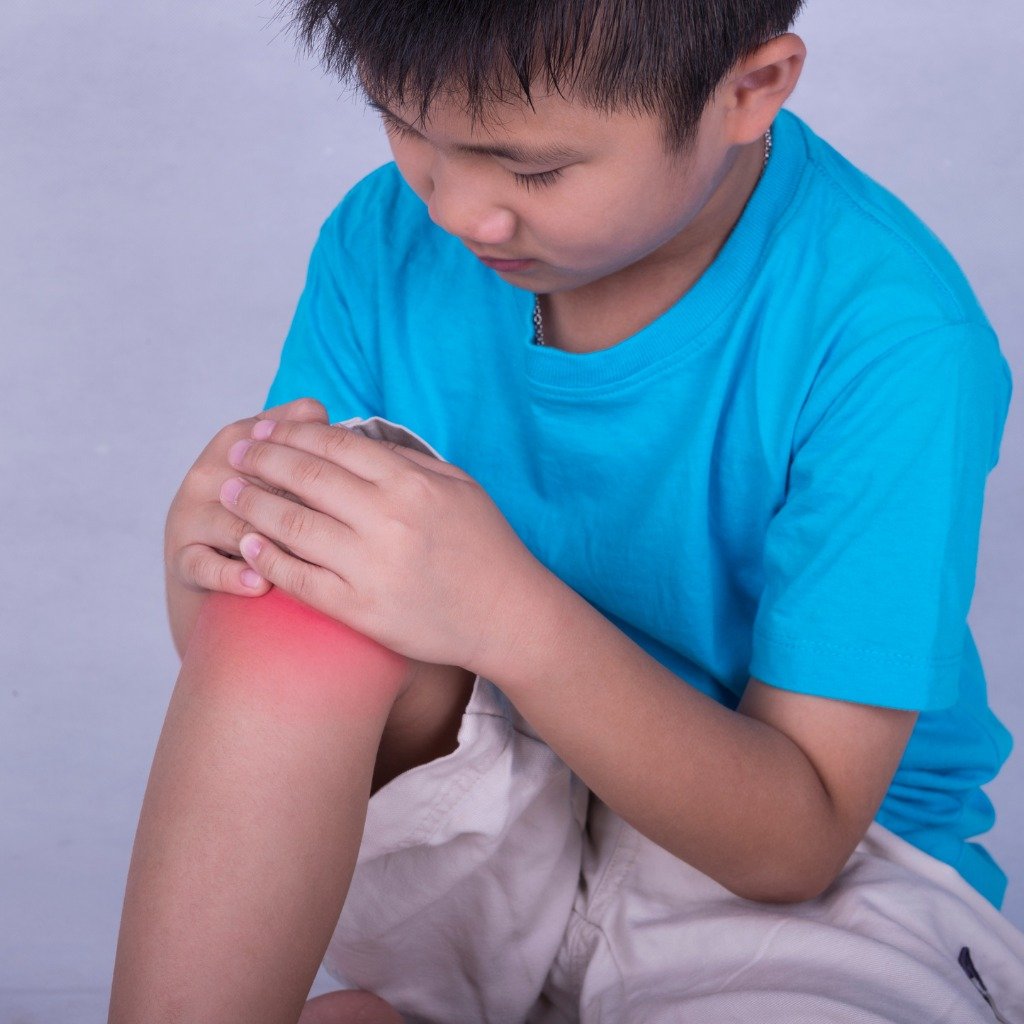
1. Bow Legs and Knock Knees
Changes in leg alignment are common during childhood. Bow legs (genu varum) make the legs appear curved outward, while knock knees (genu valgum) cause the knees to move inward.
A certain degree of these conditions can be a normal part of growth and may correct naturally. However, significant, worsening, or uneven deformity may require medical assessment. A specialist can determine whether the alignment is appropriate for the child’s age or whether further evaluation is needed.
2. Flat Feet
Flat feet are common in young children because the arches of the feet develop gradually. In many cases, flat feet do not cause any problems.
However, parents should seek advice if their child experiences persistent foot pain, difficulty walking, frequent fatigue while walking, or problems participating in normal activities. A specialist can assess whether the flat feet are flexible and part of normal development or associated with another problem.
3. Fractures and Childhood Injuries
Children are often involved in sports and outdoor activities, making falls and injuries relatively common. Fractures can affect different parts of the growing skeleton, including the wrist, arm, leg, or collarbone.
Because children’s bones are still developing, some fractures may require careful management to protect normal growth. A child who develops significant pain, swelling, bruising, deformity, or difficulty using an injured limb should be evaluated promptly.
4. Growing Pains
Some children experience aching or discomfort in their legs, particularly during the evening or at night. These are commonly referred to as growing pains.
Typical growing pains generally do not cause swelling, redness, persistent daytime pain, or difficulty walking. If pain is severe, occurs repeatedly during the day, affects only one particular area, or is accompanied by swelling or other symptoms, parents should consult a doctor rather than assuming it is simply due to growth.
5. Developmental Hip Problems
The hip joint plays an important role in walking and overall movement. Certain developmental conditions can affect how the hip joint forms or functions.
Parents may notice signs such as uneven leg length, limited hip movement, an unusual walking pattern, or difficulty moving one leg. Early evaluation is particularly important when a hip problem is suspected because treatment can sometimes be easier when identified during the earlier stages of development.
6. Sports-Related Joint Problems
As children become more involved in football, cricket, athletics, gymnastics, and other sports, repetitive stress and injuries can affect muscles, bones, and joints.
A minor injury may improve with rest, but persistent pain, recurring swelling, joint instability, or reduced performance should be evaluated. Returning to sports too quickly after an injury may sometimes increase the risk of further problems.
7. Limb Length Differences
A small difference in leg length can occur naturally and may not cause noticeable problems. However, a significant difference can sometimes affect walking mechanics and posture.
Parents may notice an uneven gait, difficulty running, or a visible difference in leg length. An orthopaedic assessment can help determine whether monitoring or treatment is required.
When Should Parents Consult a Specialist?
Not every childhood bone or joint complaint requires extensive treatment. However, medical evaluation is advisable when a child has:
- Persistent or worsening bone or joint pain
- Repeated swelling
- Difficulty walking or running
- Frequent limping
- Noticeable changes in limb alignment
- Reduced movement of a joint
- Recurrent injuries
- A visible difference between the two limbs
- Pain that regularly interferes with sleep or daily activities
Early assessment does not necessarily mean that a child will need surgery or major treatment. In many situations, reassurance, observation, activity modification, or appropriate non-surgical care may be enough.
Supporting Healthy Bones and Joints
Parents can support musculoskeletal health by encouraging age-appropriate physical activity, providing a balanced diet, ensuring adequate calcium and vitamin D intake, and using suitable protective equipment during sports.
Most importantly, parents should pay attention to changes in their child’s movement and activity levels. A child who suddenly avoids running, playing, or using a particular limb may be communicating that something is wrong.
Consult a Child Bone Specialist in Kolkata
Bone and joint problems in children can have many different causes, and symptoms may sometimes be difficult for parents to interpret. A professional assessment can distinguish normal developmental variations from conditions that require treatment.
If you are looking for a child bone specialist in Kolkata, Dr. Abhishek Nandi can evaluate childhood bone and joint concerns and recommend an appropriate course of care based on the child’s age, symptoms, and individual condition.