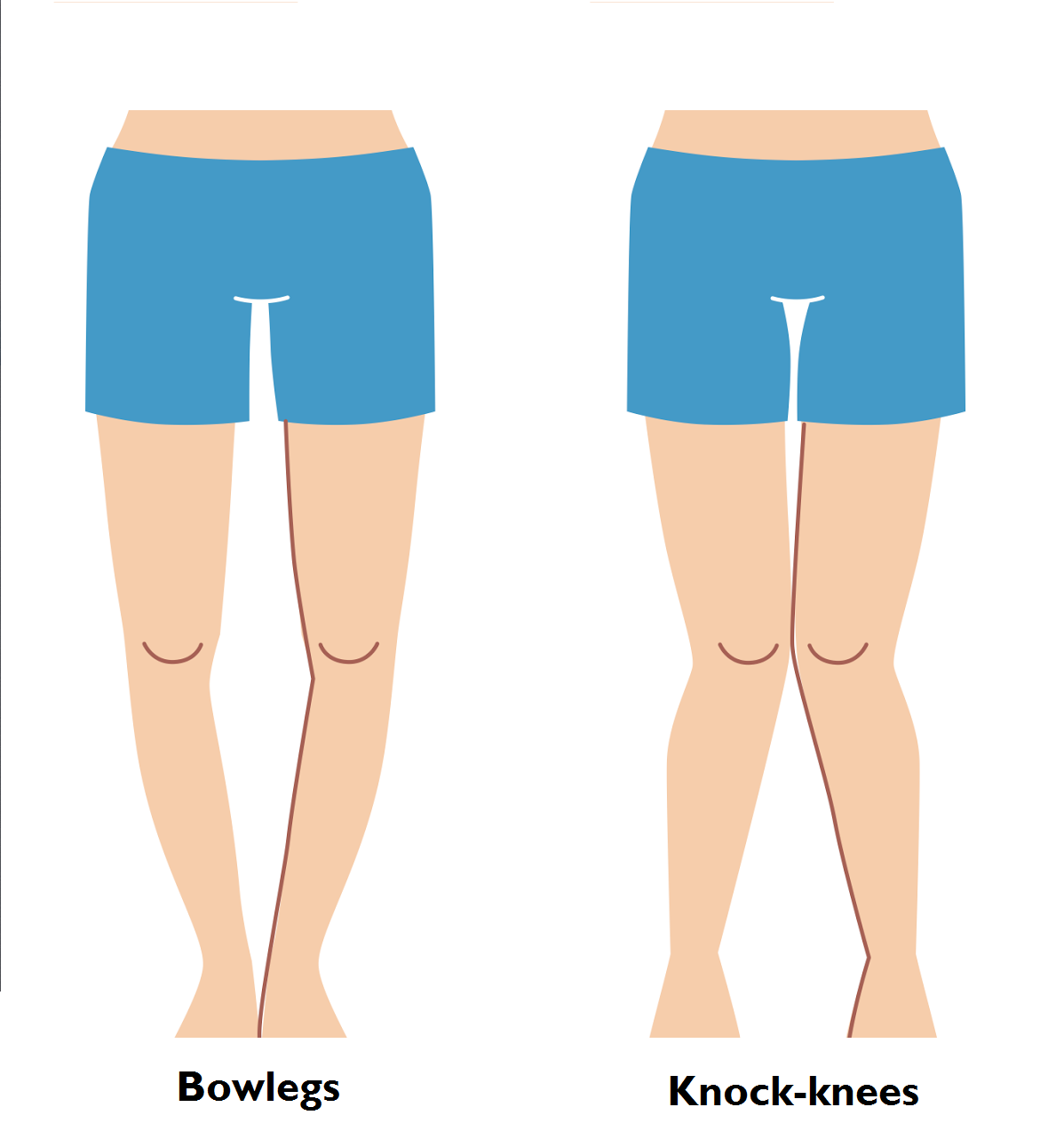
Children’s legs naturally change shape as they grow. Many parents become concerned when they notice that their child’s legs appear curved outward or that the knees touch while the ankles remain apart. These conditions are commonly known as bow legs (genu varum) and knock knees (genu valgum).
In many children, these changes are a normal part of growth and gradually correct themselves. However, persistent, severe, or unusual leg alignment may require medical evaluation. If you are looking for bone deformity treatment for child in Kolkata, an early consultation with a qualified orthopaedic specialist can help determine whether treatment is actually necessary.
What Are Bow Legs?
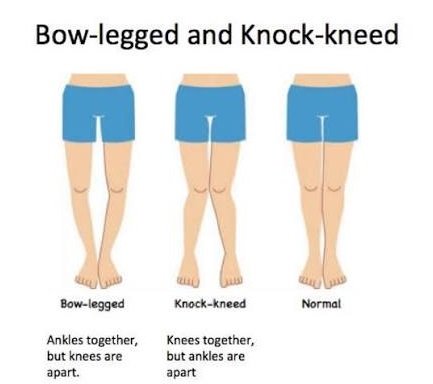
Bow legs occur when the legs curve outward, creating a noticeable gap between the knees when the feet and ankles are together. Bowing is common in infants and toddlers because of their position before birth and the natural development of their bones.
In most healthy children, the legs gradually become straighter as they grow. Mild bowing during the early years is therefore not necessarily a cause for concern.
However, if bowing is severe, affects only one leg, becomes more noticeable with age, or continues beyond the expected stage of development, a medical assessment may be recommended.
What Are Knock Knees?
Knock knees are characterized by the knees moving inward and touching or coming close together while the ankles remain separated.
Knock knees can also be part of normal childhood development. Children may naturally develop a degree of knock-knee alignment during their growing years before their legs gradually settle into their adult alignment.
The important factor is whether the alignment is appropriate for the child’s age and whether it is improving naturally.
When Are Bow Legs and Knock Knees Normal?
Leg alignment changes significantly during childhood. Because of this, parents should avoid comparing their child’s legs with those of another child of the same age.
A doctor may recommend observation when:
- The deformity is mild and symmetrical
- The child is growing normally
- There is no significant pain
- Both legs have a similar appearance
- The alignment is gradually improving
- The child has normal movement and activity
Regular follow-up may be enough in such situations.
When Should Parents Seek Medical Advice?
Certain signs deserve closer attention. Parents should consider consulting an orthopaedic specialist if:
- Bowing or knock knees appear severe
- One leg looks significantly different from the other
- The deformity is becoming worse rather than improving
- The child experiences persistent pain
- Walking or running is noticeably affected
- The child frequently trips or has difficulty with movement
- The abnormal alignment continues beyond the expected age
- There is a history of injury, nutritional deficiency, or another bone condition
Early assessment can help identify whether the condition is simply developmental or related to an underlying problem.
What Causes Persistent Leg Deformities?
Although normal growth is a common reason for bow legs and knock knees, persistent deformities can sometimes be associated with conditions affecting bone growth.
These may include certain nutritional or metabolic bone disorders, previous injuries affecting a growth plate, skeletal conditions, or other developmental problems.
This is why persistent or unusual limb alignment should be evaluated rather than treated based solely on appearance.
How Are These Conditions Evaluated?
A specialist usually begins with a detailed medical history and physical examination. The child’s age, growth pattern, walking pattern, degree of deformity, and whether both legs are affected are important considerations.
In selected cases, X-rays or other investigations may be recommended to understand the alignment of the bones and identify an underlying cause.
Treatment decisions are based on the child’s individual condition rather than appearance alone.
Does Every Child Need Treatment?
No. Many cases of bow legs and knock knees improve naturally as children grow and do not require surgery or other major intervention.
If treatment is necessary, the approach depends on the child’s age, severity of the deformity, cause, and remaining growth. In some situations, observation and regular monitoring may be sufficient. When a significant deformity persists or progresses, a specialist may discuss appropriate treatment options.
The goal of treatment is not simply to make the legs look straight. Proper management aims to support healthy bone development, balanced limb alignment, comfortable movement, and long-term joint function.
Choosing the Right Specialist for Your Child
Seeing a child with noticeably curved or inward-positioned legs can be worrying for parents. However, many childhood alignment variations are temporary and part of normal development.
If you are searching for bone deformity treatment for child in Kolkata, consulting Dr. Abhishek Nandi can help determine whether your child’s leg alignment requires observation, further investigation, or treatment. A timely assessment can provide parents with clarity and ensure that any significant deformity is managed appropriately.