As parents, watching your child grow healthy and active is one of life’s greatest joys. Every stage of growth, from the first steps to running and playing, depends on strong and healthy bones. While minor variations in growth are common, some children may develop bone deformities that require timely medical attention. Recognizing the early signs can make a significant difference in your child’s treatment and long-term mobility.
If you are looking for bone deformity treatment for child in Kolkata, understanding these warning signs is the first step toward protecting your child’s future.
What Are Bone Deformities in Children?
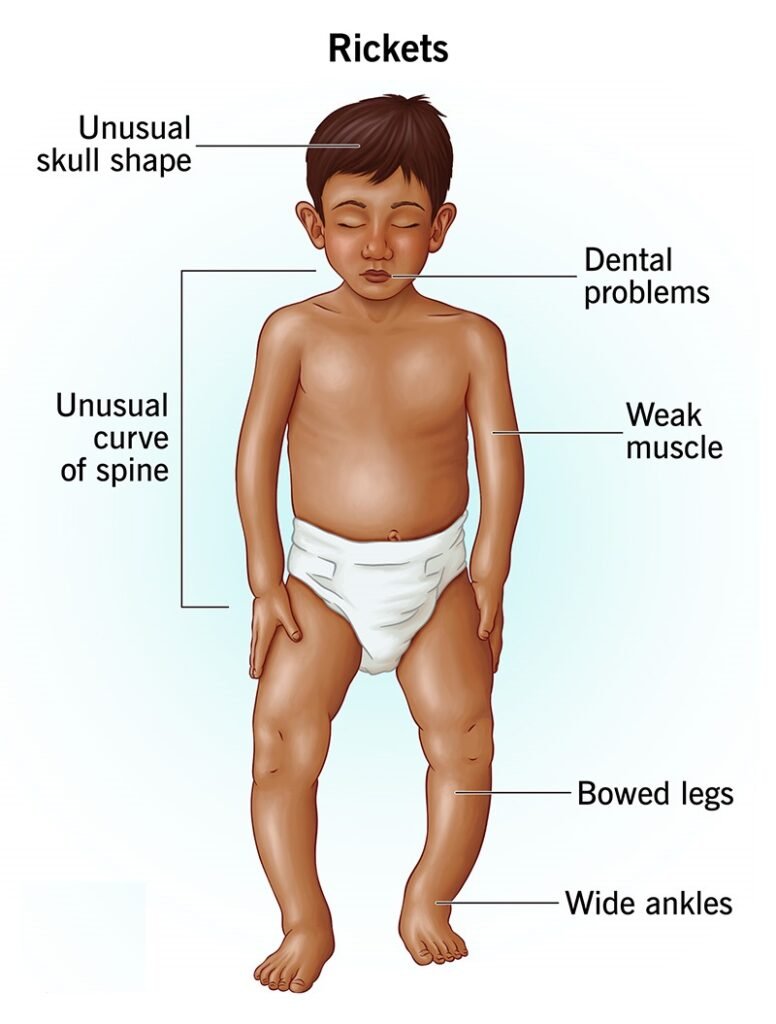
Bone deformities refer to abnormalities in the shape, alignment, or growth of bones. These conditions may be present at birth (congenital) or develop during childhood due to nutritional deficiencies, injuries, infections, genetic disorders, or growth plate problems.
The good news is that many pediatric bone deformities can be effectively treated when diagnosed early.
Early Signs Parents Should Never Ignore
1. Bowed or Bent Legs
It is normal for infants to have slightly bowed legs. However, if the condition becomes more noticeable after the age of two or affects only one leg, it may indicate an underlying bone deformity that requires evaluation.
2. Knock Knees That Persist
Many children naturally develop knock knees between the ages of three and five. If the condition is severe, worsens over time, or continues beyond the expected age, a pediatric orthopedic specialist should assess it.
3. Uneven Walking Pattern
If your child limps, walks on their toes consistently, or has an unusual gait, it could be a sign of bone alignment problems or limb deformities.
4. Unequal Leg Length
One leg appearing shorter than the other may cause difficulty in walking, running, or maintaining balance. Early diagnosis allows proper planning for treatment before growth is complete.
5. Frequent Falls
Children naturally fall while learning to walk. However, repeated unexplained falls, poor balance, or difficulty climbing stairs may indicate an underlying orthopedic issue.
6. Curved Spine
A noticeable curve in the back, uneven shoulders, or one hip appearing higher than the other may suggest scoliosis or other spinal deformities. Early treatment often prevents progression.
7. Persistent Bone or Joint Pain
Children should not regularly complain of pain in their bones or joints. Pain that continues for weeks, especially if associated with swelling or restricted movement, deserves medical evaluation.
8. Limited Movement
Difficulty bending a joint, stiffness, or inability to fully straighten the arms or legs may indicate bone or joint abnormalities.
9. Delayed Physical Development
If your child is significantly delayed in standing, walking, or participating in physical activities compared to children of the same age, an orthopedic assessment may be recommended.
10. Visible Bone Abnormalities
Any unusual swelling, crooked fingers or toes, abnormal limb shape, or noticeable difference in body symmetry should never be ignored.
What Causes Bone Deformities?
Several factors can contribute to bone deformities in children, including:
- Congenital bone disorders
- Vitamin D deficiency and rickets
- Growth plate injuries
- Genetic conditions
- Bone infections
- Previous fractures that healed improperly
- Neuromuscular disorders
Identifying the exact cause is essential because every child requires an individualized treatment approach.
Why Early Diagnosis Is So Important
Children’s bones continue to grow until adolescence, making early intervention highly effective. Delaying treatment may result in:
- Progressive deformity
- Difficulty in walking
- Chronic pain
- Reduced physical activity
- Joint damage in adulthood
- More complex surgical procedures later
Early diagnosis often allows simpler treatments with better outcomes.
How Bone Deformities Are Diagnosed
A pediatric orthopedic specialist typically performs:
- Detailed physical examination
- Growth assessment
- Walking and posture evaluation
- X-rays
- Advanced imaging when necessary
These investigations help determine the severity of the deformity and the most appropriate treatment plan.
Treatment Options
Modern pediatric orthopedic care offers several treatment options depending on the child’s age and the underlying condition.
Treatment may include:
- Observation with regular follow-up
- Physiotherapy
- Bracing
- Nutritional correction
- Growth modulation procedures
- Corrective orthopedic surgery for severe deformities
The goal is always to restore proper bone alignment while allowing normal growth and development.
When Should Parents Consult a Pediatric Orthopedic Surgeon?
Parents should seek medical advice if they notice:
- Persistent bow legs or knock knees
- Uneven leg length
- Difficulty walking
- Recurrent limping
- Curved spine
- Bone pain lasting more than a few days
- Visible deformity of any limb
Prompt evaluation helps ensure the best possible outcome for your child.
Expert Pediatric Orthopedic Care in Kolkata
When it comes to your child’s bone health, early intervention can make a lifelong difference. Dr. Abhishek Nandi provides comprehensive evaluation and advanced pediatric orthopedic care for children with bone deformities, limb abnormalities, growth-related conditions, and other musculoskeletal disorders.
If you are searching for reliable bone deformity treatment for child in Kolkata, consulting an experienced pediatric orthopedic specialist at the earliest sign of concern can help your child achieve healthy growth, improved mobility, and a more active future.