
Bone tumors can be a source of concern, especially when a person notices persistent bone pain, swelling, or an unusual lump. However, not every bone tumor is cancerous. Bone tumors are broadly classified as benign (non-cancerous) or malignant (cancerous), and understanding the difference is important for timely diagnosis and appropriate treatment.
If you are looking for a bone Tumor specialist in Kolkata, consulting an experienced specialist can help determine the nature of the tumor and guide you toward the right treatment.
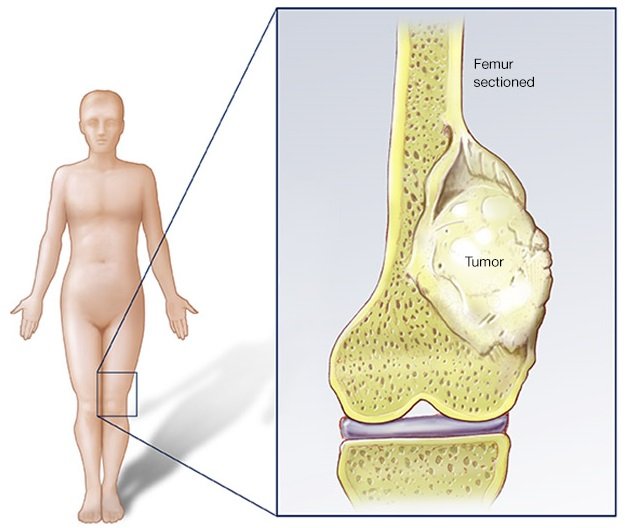
What Is a Bone Tumor?
A bone tumor develops when cells within or around a bone grow abnormally. These tumors can occur in different bones and may affect people of various age groups. Some are discovered incidentally during an X-ray or scan, while others may cause noticeable symptoms such as pain or swelling.
The presence of a bone tumor does not automatically mean that a person has cancer. The behavior of the tumor is what helps doctors classify it as benign or malignant.
What Are Benign Bone Tumors?
Benign bone tumors are non-cancerous growths. They generally grow slowly and do not spread to other parts of the body. Many benign tumors may not cause any symptoms and can sometimes be found during imaging performed for another reason.
Depending on their size, location, and type, benign tumors may cause:
- Localized bone pain
- Swelling or a visible lump
- Reduced movement near a joint
- Weakening of the affected bone
- Fractures in some cases
Some benign tumors may only require regular monitoring, while others may need surgical removal if they cause pain, weaken the bone, or continue to grow.
What Are Malignant Bone Tumors?
Malignant bone tumors are cancerous growths. Unlike benign tumors, certain malignant tumors can grow aggressively and may spread to other parts of the body.
Primary bone cancers are relatively uncommon, but they require prompt evaluation and treatment. Symptoms may include persistent or worsening bone pain, swelling, tenderness, or a lump. Unexplained fractures can also occasionally be associated with an underlying bone abnormality.
It is important to remember that these symptoms can occur with many non-cancerous conditions as well. Therefore, proper medical evaluation is essential before reaching any conclusion.
Benign vs Malignant: Key Differences
The major differences between benign and malignant bone tumors relate to their growth pattern and behavior.
Benign tumors:
- Usually grow slowly
- Generally remain localized
- Do not normally spread to distant organs
- May require observation or surgery depending on symptoms and location
Malignant tumors:
- May grow more rapidly or aggressively
- Can invade surrounding tissues
- May spread to other parts of the body
- Usually require comprehensive cancer treatment
However, these differences cannot always be determined simply by symptoms. Imaging and, when necessary, a biopsy are important for establishing an accurate diagnosis.
How Are Bone Tumors Diagnosed?
Doctors may begin with a physical examination and imaging tests such as an X-ray, MRI, CT scan, or bone scan. These investigations can provide information about the location, size, and characteristics of a tumor.
In some cases, a biopsy may be necessary. During a biopsy, a small tissue sample is examined under a microscope to identify the type of tumor and determine whether it is benign or malignant.
The diagnostic approach depends on the individual’s symptoms and imaging findings.
Why Early Evaluation Matters
Persistent bone pain or swelling should not be ignored, particularly when symptoms continue without an obvious explanation. Early assessment can help identify the cause and, when a tumor is present, determine its nature at an appropriate stage.
Treatment varies considerably depending on the tumor type, size, location, and overall health of the patient. Options may include observation, surgery, chemotherapy, radiotherapy, or a combination of treatments for selected malignant tumors.
Consult a Bone Tumor Specialist in Kolkata
A suspected bone tumor can understandably create anxiety, but an abnormality does not necessarily mean cancer. The most important step is obtaining an accurate diagnosis rather than assuming the worst.
If you are searching for a bone Tumor specialist in Kolkata, Dr. Abhishek Nandi can help patients understand their diagnosis and explore appropriate treatment options based on the individual condition. Timely consultation can make the diagnostic and treatment journey more structured and informed.