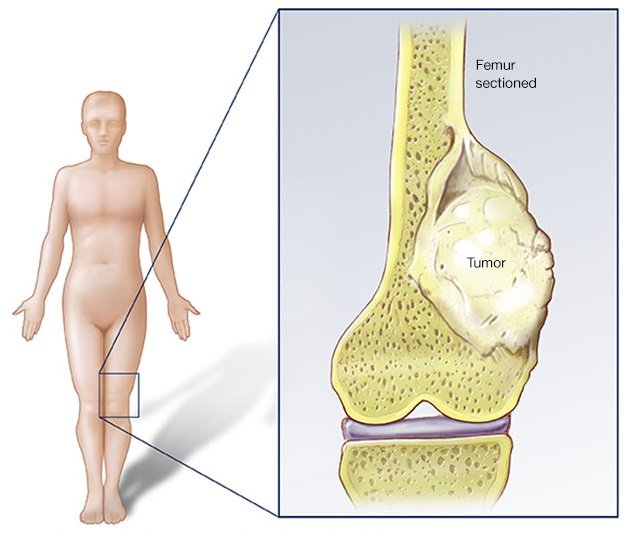
Bone tumors in children are uncommon, but when they occur, recognizing the warning signs early can make an important difference. Many symptoms may initially appear similar to common childhood injuries or growing pains, which is why persistent or unusual symptoms should not be ignored. Parents who notice ongoing bone pain, swelling, or changes in their child’s movement should consider seeking an expert medical evaluation.
What Are Bone Tumors?
A bone tumor develops when abnormal cells grow within or around a bone. Bone tumors can be benign (non-cancerous) or malignant (cancerous). Benign tumors are more common and may not cause serious problems, while malignant bone tumors require prompt diagnosis and specialized treatment.
Although bone tumors are rare in children, certain types can occur during periods of rapid growth, particularly in the teenage years. Early assessment by an experienced orthopedic specialist can help determine the cause of symptoms and guide appropriate investigations.
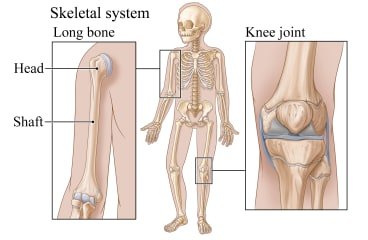
Warning Signs Parents Should Watch For
1. Persistent Bone Pain
Occasional aches after sports or physical activity are common in children. However, pain that continues for several weeks, becomes progressively worse, or occurs without an obvious injury deserves attention.
Pain associated with a bone tumor may sometimes be more noticeable at night or may not improve with usual rest.
2. Swelling or a Lump
Parents may notice swelling, a firm lump, or unusual enlargement around a bone or joint. This can occur in the arms, legs, pelvis, or other areas of the skeleton.
Not every lump indicates a tumor, but unexplained or progressively increasing swelling should be examined by a doctor.
3. Difficulty Walking or Moving
A child may begin limping, avoiding certain activities, or experiencing difficulty moving an arm or leg. If these changes persist without a clear injury, professional evaluation is recommended.
4. Repeated Fractures
In some cases, an abnormal growth can weaken the affected bone, making it more susceptible to fractures. A fracture occurring after relatively minor trauma may require further investigation.
5. Reduced Physical Activity
Children naturally enjoy running, playing, and participating in sports. A noticeable change in activity levels because of discomfort, weakness, or pain can be an important clue.
Parents should pay attention if a child who was previously active suddenly starts avoiding games, sports, stairs, or other routine activities.
6. Unexplained Symptoms Along With Bone Pain
Persistent bone discomfort accompanied by fatigue, reduced appetite, fever, or unexplained weight loss should not be overlooked. These symptoms can occur with many childhood illnesses, but when they appear alongside persistent bone symptoms, medical assessment becomes particularly important.
Are All Bone Tumors Cancerous?
No. Bone tumors can be benign or malignant. Some benign tumors may simply require monitoring, while others may need treatment because of their location, size, pain, or effect on bone strength.
If a doctor suspects a bone tumor, investigations may include an X-ray and, depending on the findings, MRI, CT, blood tests, or a biopsy. These tests help determine the nature and extent of the abnormality.
When Should Parents Consult a Specialist?
Parents should consider consulting an orthopedic specialist when their child has persistent unexplained bone pain, swelling, a growing lump, repeated fractures, or difficulty walking or using a limb.
It is important not to assume that ongoing pain is simply due to growing pains, particularly when the symptoms are localized, persistent, worsening, or associated with swelling.
Early Evaluation Can Provide Clarity
Bone tumors in children are rare, and most childhood bone pain does not indicate cancer. Nevertheless, recognizing unusual changes and getting them evaluated can provide reassurance or allow treatment to begin promptly when necessary.
A bone tumor specialist in Kolkata can assess persistent symptoms, recommend appropriate imaging and investigations, and help parents understand the diagnosis and available treatment options. Depending on the condition, management may involve observation, medication, surgery, or a combination of treatments.
Conclusion
As a parent, you know your child’s normal behavior and activity patterns better than anyone. Persistent pain, swelling, unexplained lumps, limping, or sudden changes in physical activity should not be ignored. While these symptoms can have several causes, timely medical evaluation is the safest way to identify the underlying problem.
For children experiencing unusual or persistent bone-related symptoms, consulting Dr. Abhishek Nandi can help ensure that the condition is properly assessed and managed with appropriate orthopedic care.