Many parents become concerned when they notice their child’s legs appear curved inward or outward while standing or walking. Bow legs and knock knees are common during childhood, and in most cases, they are a normal part of growth. However, certain situations require expert evaluation to rule out underlying bone or developmental conditions.
If you are looking for the Best Pediatric Orthopaedics Surgeon in Kolkata, understanding the difference between normal developmental changes and conditions that require treatment can help ensure your child’s healthy growth.
What Are Bow Legs?
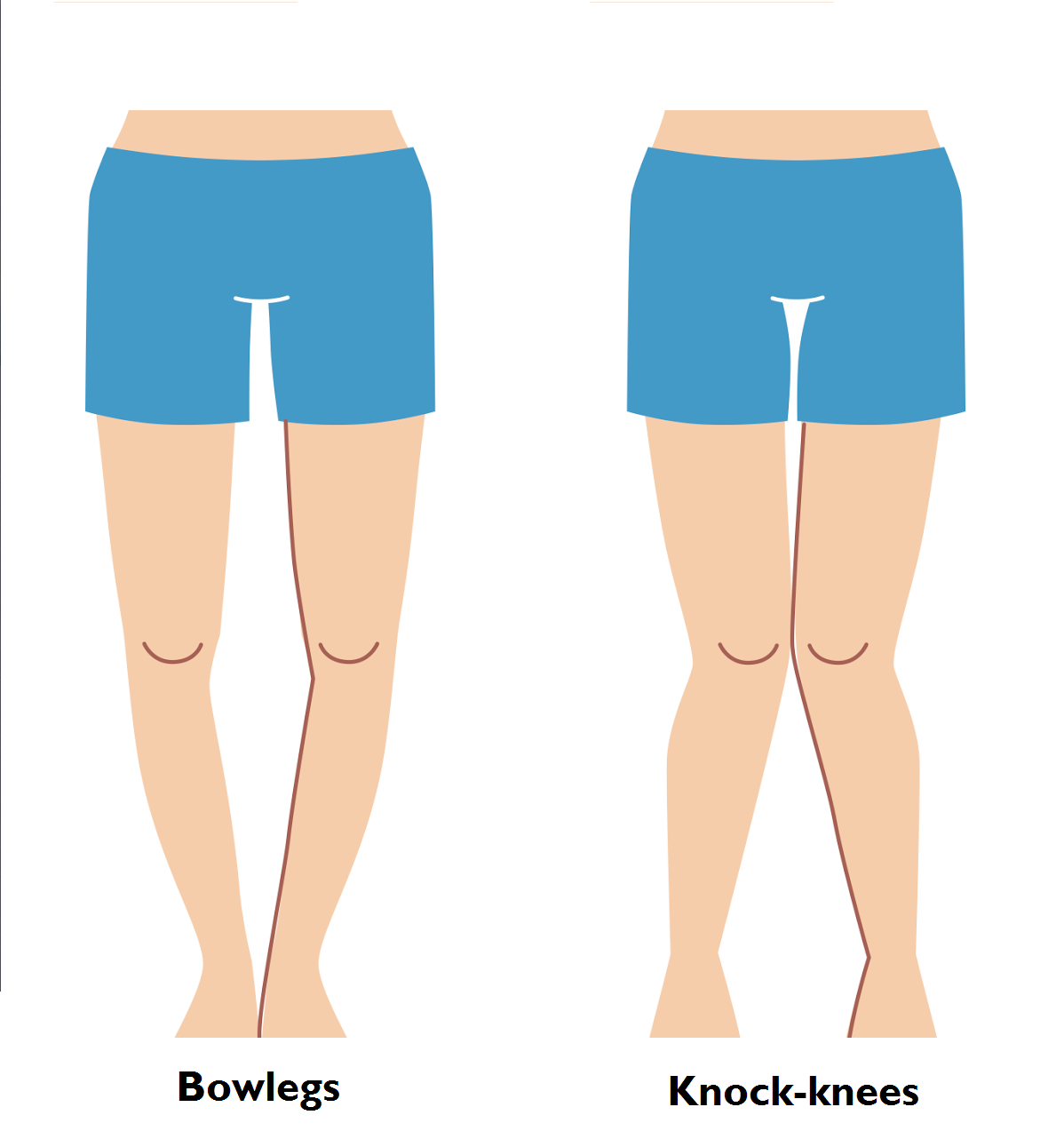
Bow legs, medically known as genu varum, occur when a child’s legs curve outward at the knees while the ankles remain together. This creates a noticeable gap between the knees.
Bow legs are commonly seen in:
- Newborns
- Infants up to 18-24 months of age
This happens because babies are naturally curled inside the womb. As they begin standing and walking, the legs gradually straighten on their own.
In most children, bow legs improve naturally by the age of 2 years without any treatment.
What Are Knock Knees?
Knock knees, or genu valgum, occur when the knees touch while standing, but the ankles remain apart.
Knock knees are considered a normal stage of development between the ages of 3 and 7 years. During this period, the leg alignment changes naturally before settling into its normal position.
Most children outgrow knock knees by the age of 7 to 8 years.
When Are Bow Legs or Knock Knees Normal?
Parents usually do not need to worry if:
- Both legs are affected equally.
- The child walks and runs normally.
- There is no pain.
- The deformity gradually improves with age.
- Growth and development are normal.
These developmental changes are temporary and often resolve without surgery or medication.
Warning Signs That Need Medical Attention
Although many cases are harmless, some children require evaluation by a pediatric orthopaedic specialist.
Consult the Best Pediatric Orthopaedics Surgeon in Kolkata if your child has:
- Bow legs after 2 years of age.
- Knock knees that persist beyond 8 years.
- Only one leg affected.
- Severe deformity.
- Limping while walking.
- Frequent falls.
- Knee or leg pain.
- Difficulty walking or running.
- Short stature or delayed growth.
- Worsening leg alignment over time.
- Family history of bone disorders.
Early diagnosis can prevent future complications and improve treatment outcomes.
What Causes Persistent Bow Legs or Knock Knees?
Several medical conditions may contribute to abnormal leg alignment, including:
Blount’s Disease
A growth disorder affecting the shin bone that causes progressive bowing of the legs.
Rickets
Vitamin D deficiency weakens growing bones, leading to bow legs or knock knees.
Skeletal Dysplasia
Certain genetic bone disorders can affect normal bone growth.
Previous Bone Injury
Improper healing after fractures may result in leg deformity.
Obesity
Excess body weight may place additional stress on developing bones.
How Is the Condition Diagnosed?
A pediatric orthopaedic surgeon performs a detailed evaluation that may include:
- Medical history
- Growth assessment
- Physical examination
- Walking (gait) analysis
- Measurement of leg alignment
- X-rays if necessary
Not every child requires imaging. Many children only need regular monitoring.
Treatment Options
Treatment depends on the child’s age, severity, and underlying cause.
Observation
Most children simply require periodic follow-up as the legs straighten naturally.
Nutritional Management
If vitamin D or calcium deficiency is identified, appropriate supplementation may be recommended.
Bracing
In selected conditions such as early Blount’s disease, braces may help improve alignment.
Surgery
Severe or persistent deformities that affect walking or continue after growth may require corrective surgery. Modern pediatric orthopaedic techniques offer safe and effective correction with excellent long-term outcomes.
Can Parents Prevent Bow Legs or Knock Knees?
Not all cases can be prevented, but parents can promote healthy bone development by:
- Providing a balanced diet rich in calcium and vitamin D.
- Encouraging outdoor play for natural vitamin D synthesis.
- Maintaining a healthy body weight.
- Ensuring regular pediatric health check-ups.
- Seeking medical advice if leg alignment appears unusual.
Avoid using braces, special shoes, or home remedies without medical advice, as these are often unnecessary for normal developmental changes.
Why Early Evaluation Matters
Timely assessment helps distinguish between normal growth patterns and conditions requiring treatment. Delayed diagnosis may allow deformities to progress, making treatment more complex later in life.
Parents should never panic, but they should also avoid ignoring persistent or worsening symptoms.
Consult Dr. Abhishek Nandi
If your child has persistent bow legs, knock knees, or any concerns about bone and joint development, early consultation with a pediatric orthopaedic specialist can make a significant difference.
Dr. Abhishek Nandi, recognized as one of the Best Pediatric Orthopaedics Surgeons in Kolkata, specializes in diagnosing and treating a wide range of pediatric bone, joint, and limb conditions. With a child-friendly approach, advanced diagnostic expertise, and personalized treatment plans, Dr. Nandi is committed to helping children achieve healthy growth and active lives.
Conclusion
Bow legs and knock knees are often a normal part of childhood development and usually correct themselves as children grow. However, persistent, severe, or one-sided deformities should never be ignored. Early evaluation by an experienced pediatric orthopaedic surgeon ensures accurate diagnosis and timely treatment when needed, giving your child the best opportunity for healthy bone development and confident movement.