Fracture in Children– How it is different from adult?
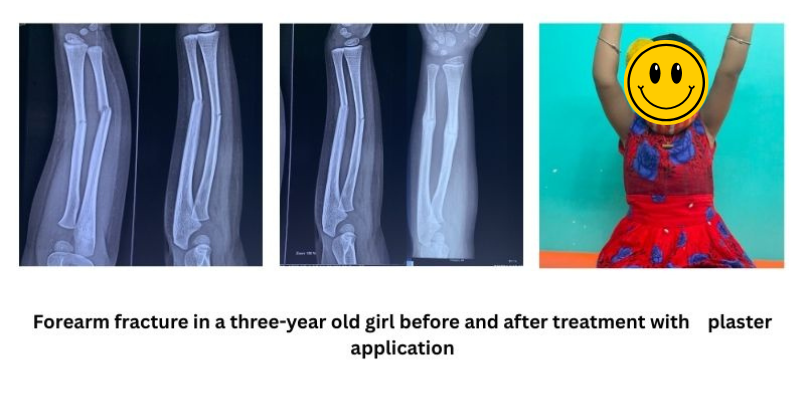
- The bones of children are ‘dynamic’ due to the growth potential. The area of the growth is known as growth plate or physis. Due to the growing potential the fracture of a child has immense potential for union and getting back to original shape which is known as ‘remodeling’. Due to this remodeling potential absolute anatomical reduction and hence surgical fixation of the fracture is not required in majority of fractures of the children.
- Concern is the growth plate and joint, if the growth plate is injured during the initial trauma or during the management process it will lead to a secondary deformity later in life. This deformity is due to ‘growth (physeal) arrest’.
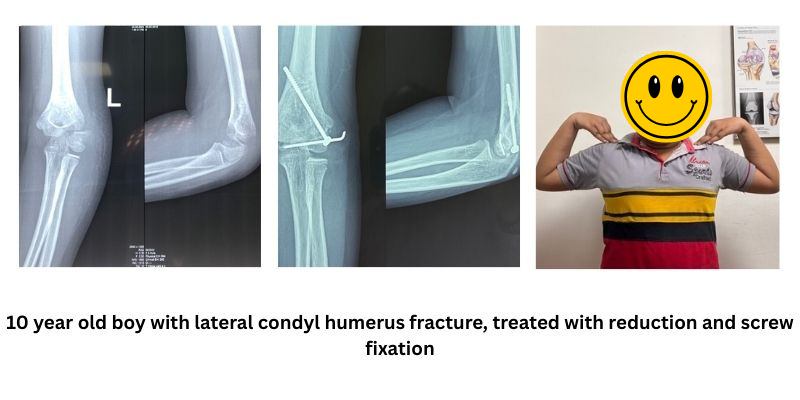
- If the fracture is involving a joint then it creates joint line incongruity and pain, stiffness and arthritis later in life, so reduction of an intra-articular fracture should be anatomical.
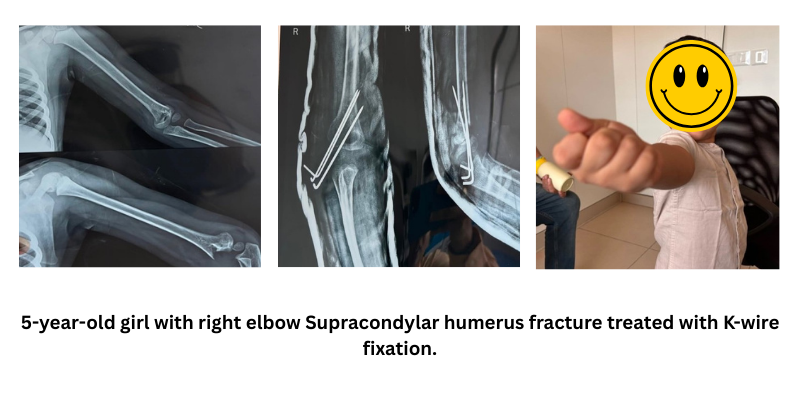
- The most common fracture in children are around the elbow (supracondylar humerus fracture), which occurs due to fall on outstretched hand, which is a reflex action taken by us during fall.
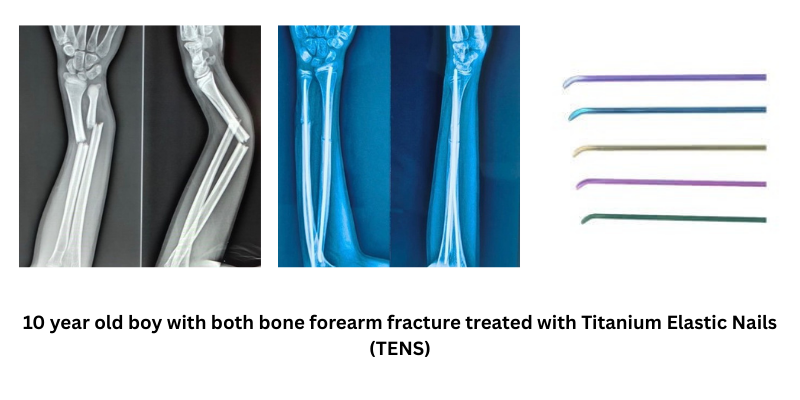
- Titanium Elastic Nail (TENS) are special nails which are used for fracture fixation in children. These rods have elastic property which helps in bone growth.
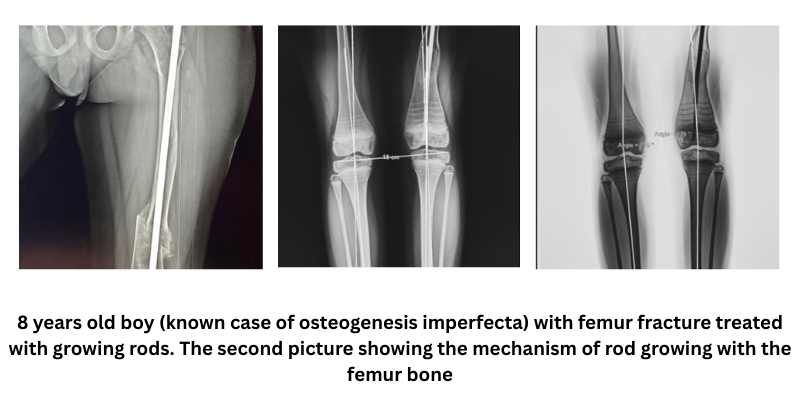
- Growing rods (Telescopic rods) are specialised rods used for children which grows in length with age. This type of rod is generally used where the implant will be kept for long duration, sometimes whole life.